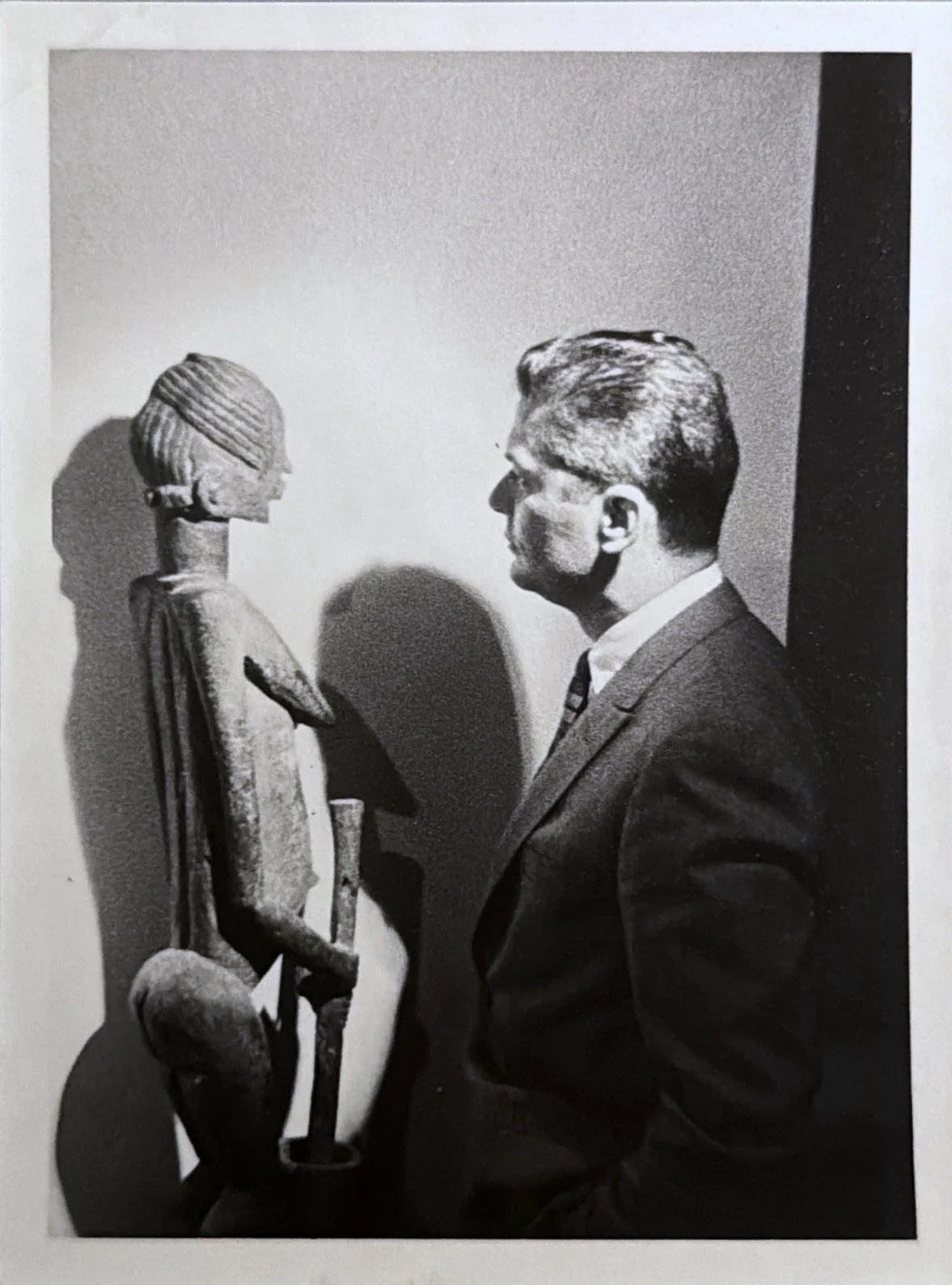
Alan Brandt was a born and bred Brooklyn boy who came across a bridge into Manhattan fueled with rich ambition and vivid dreams and parlayed those instincts into multiple careers; a celebrated lyricist, a successful publicist, a respected art dealer, a late blooming playwright, and a devoted husband and father. The last 40 years of his life were primarily focused on sourcing and selling great works of art from ancient tribal cultures, a field on which he left an indelible mark.
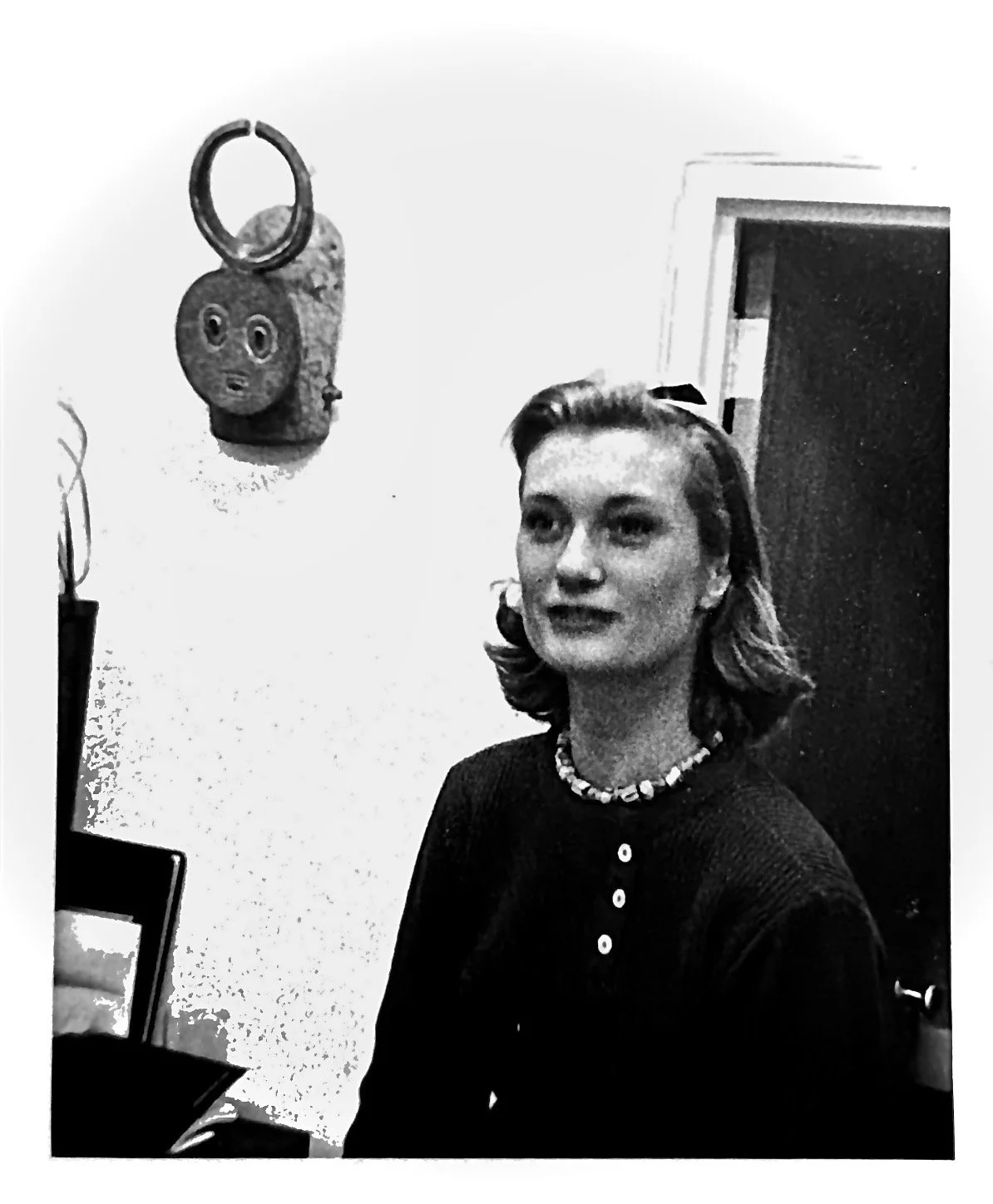
In 1960, Alan teamed up with Henri Kamer, a flamboyant and somewhat controversial dealer from Paris to open a public gallery devoted exclusively to African art along the vibrant Madison Avenue corridor right next door to the Whitney Museum. The gallery was designed by the renowned architect Frederick Kessler who had worked closely with Peggy Guggenheim on her infamous gallery Art of the Century. With its unique organic biomorphic design and sophisticated thematic presentations, Galerie Kamer quickly became a go-to destination for savvy collectors, curators and art lovers on the prowl. Early memories place my mother, once an actor and now an active partner in the gallery, sitting behind the front desk with a smile and perfectly coiffed blonde hair while I wandered unfettered below in the basement, chocked full of totemic carved wooden sculptures, the air tinged with the exotic smell of far off lands.
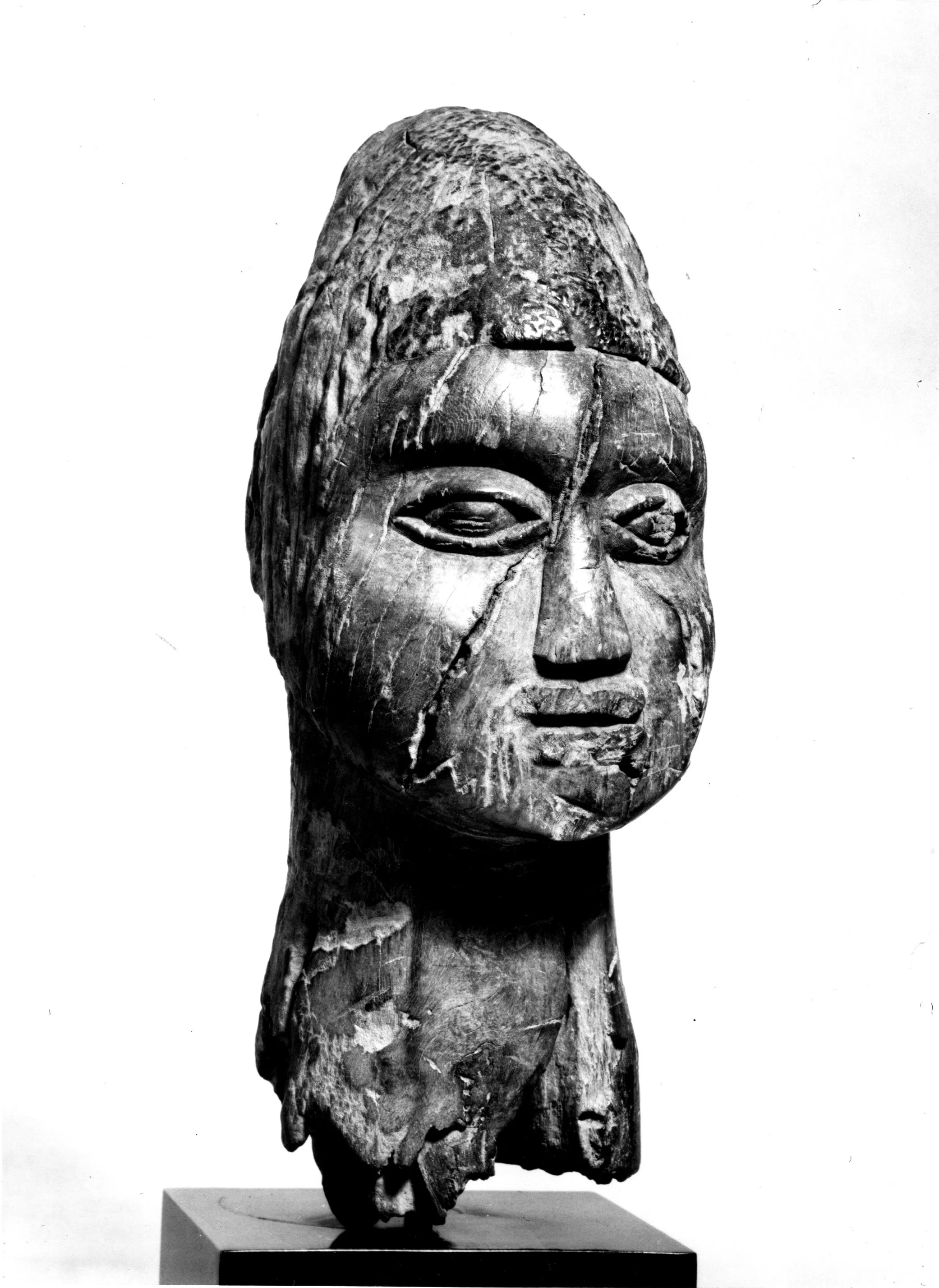
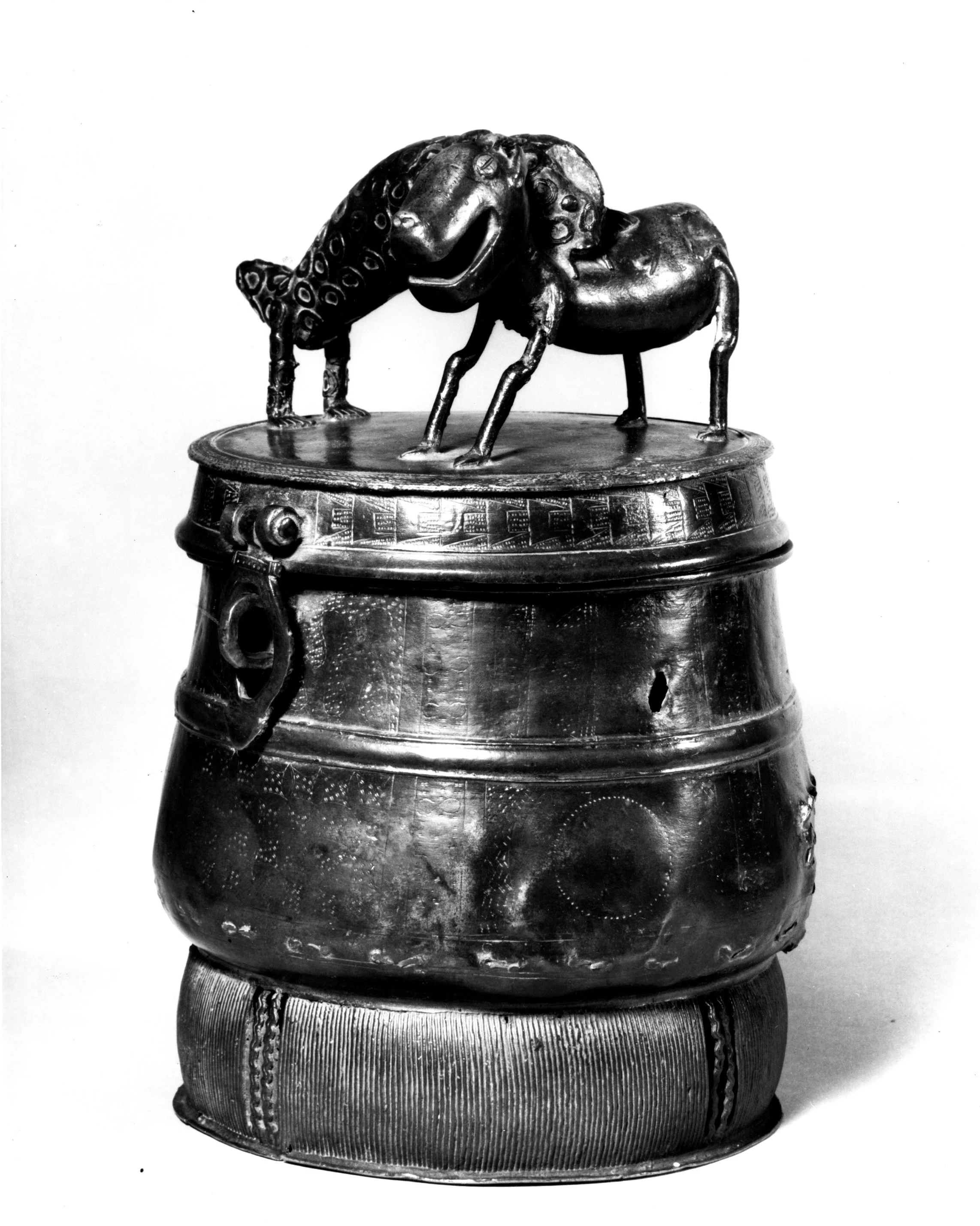
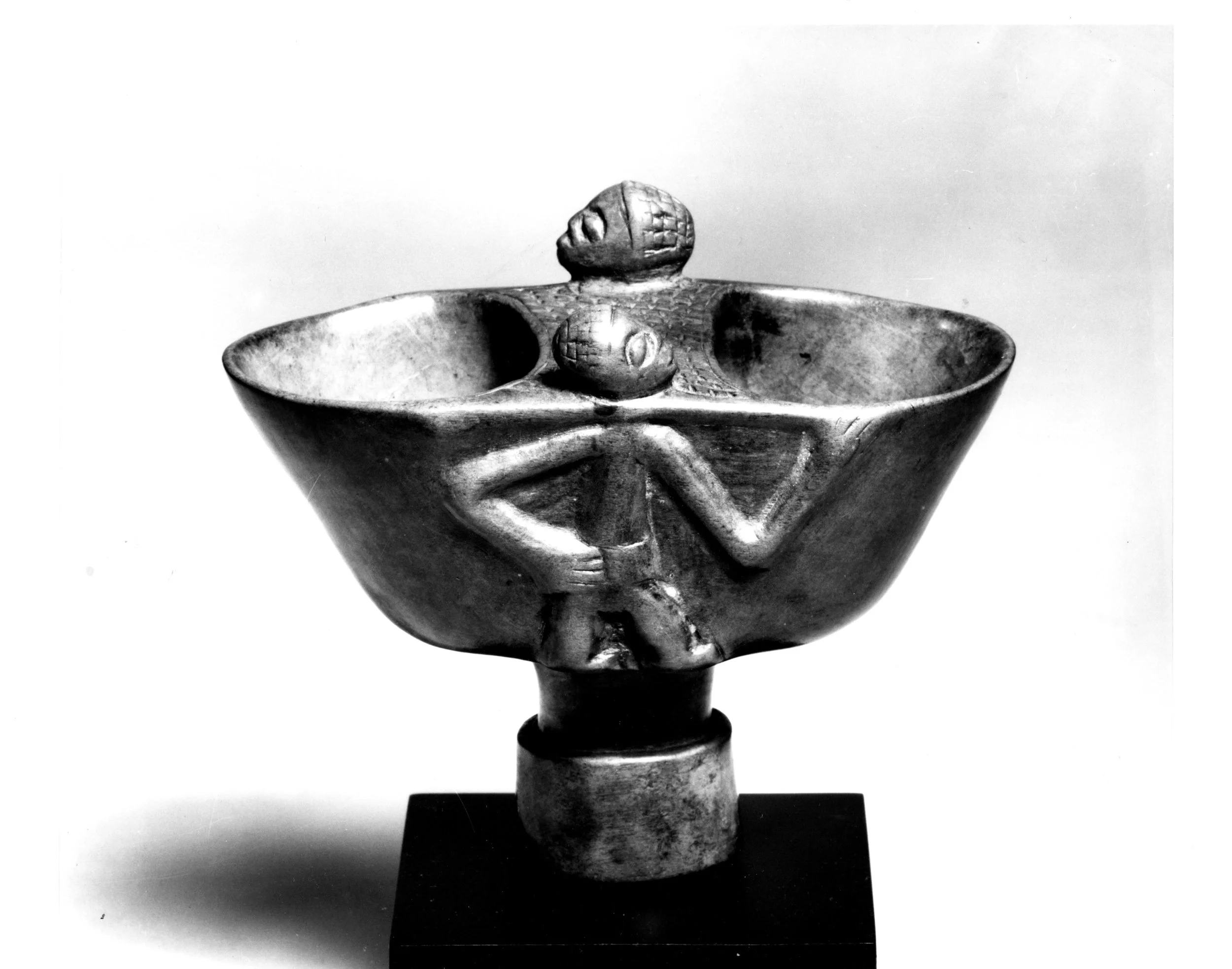
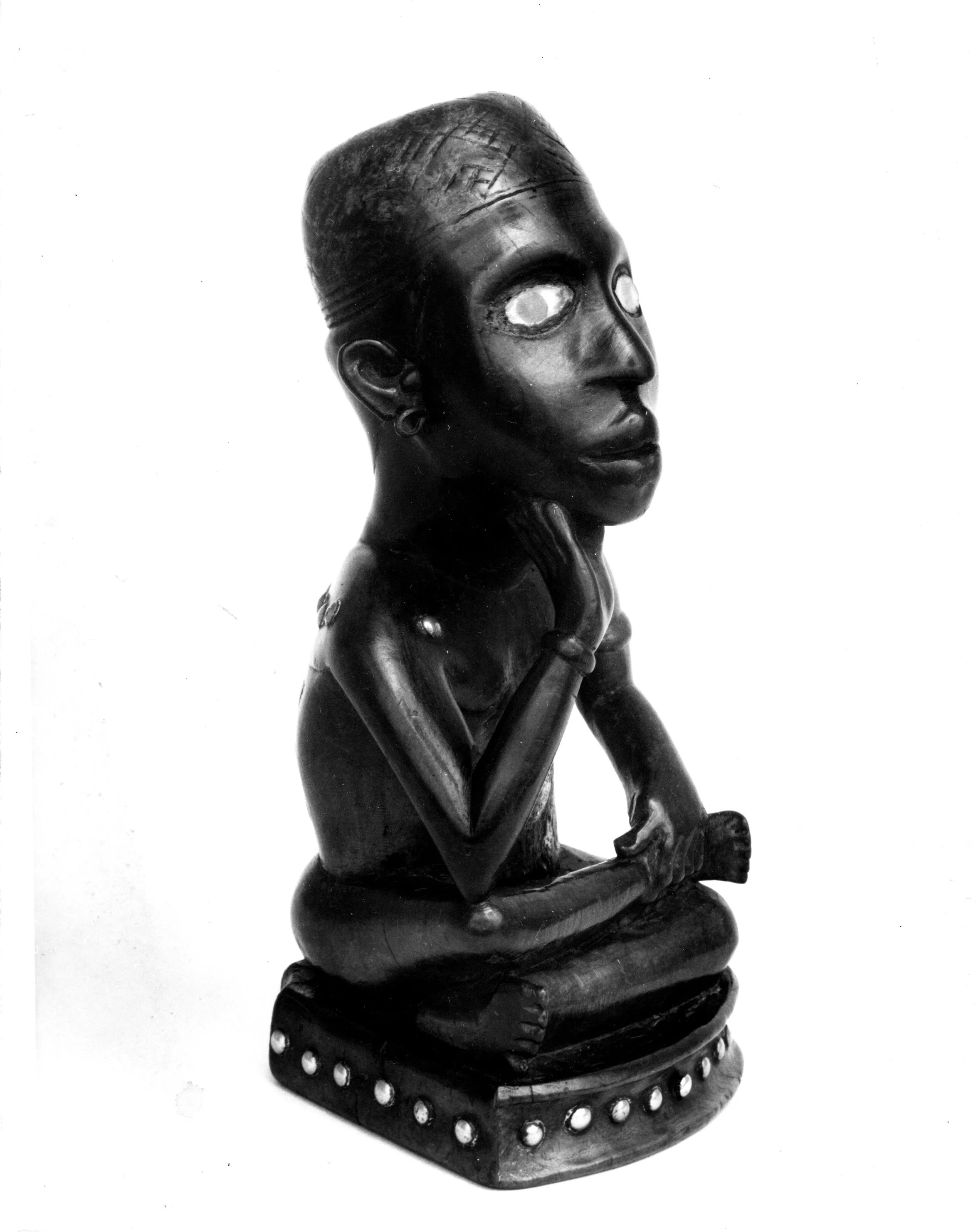
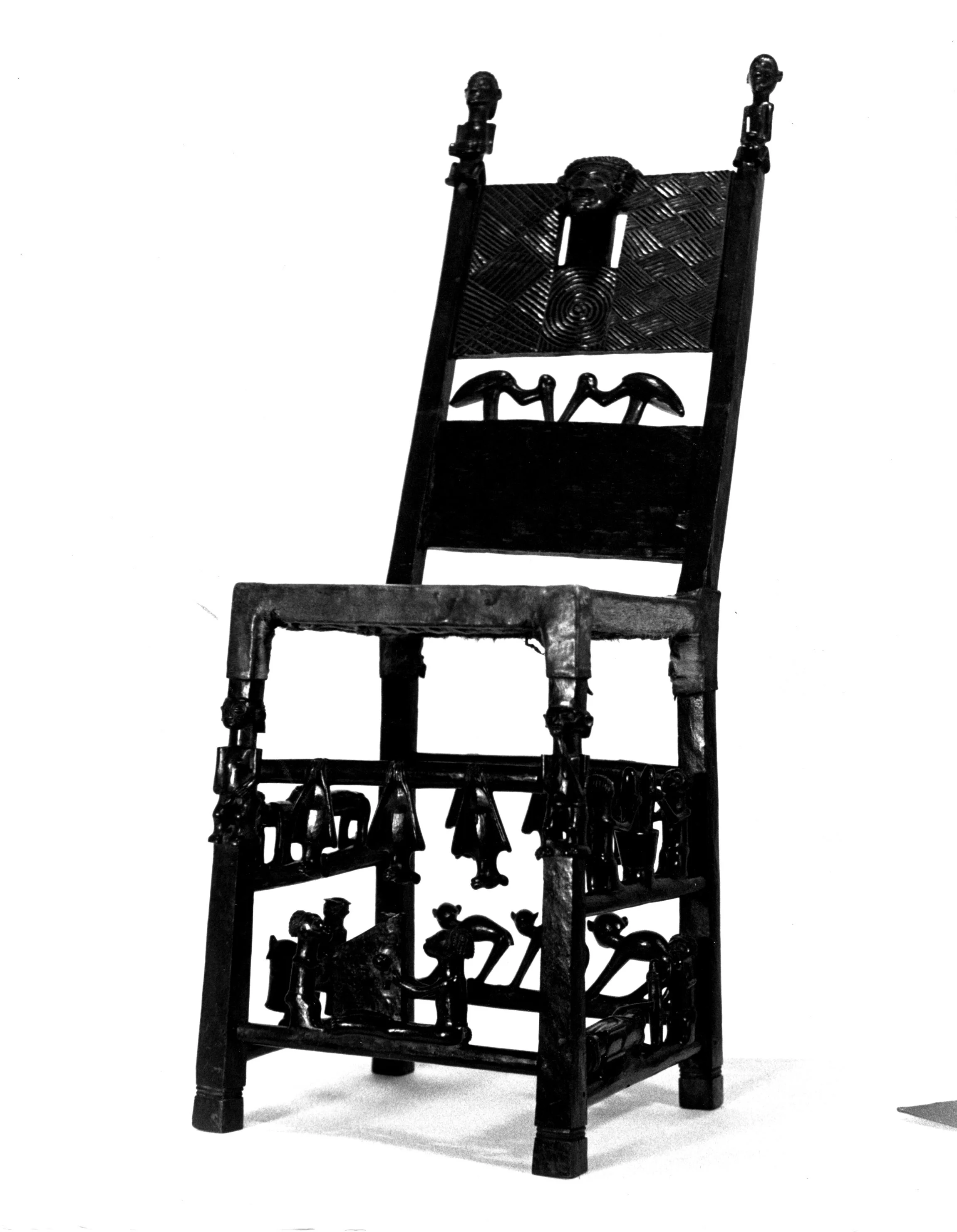
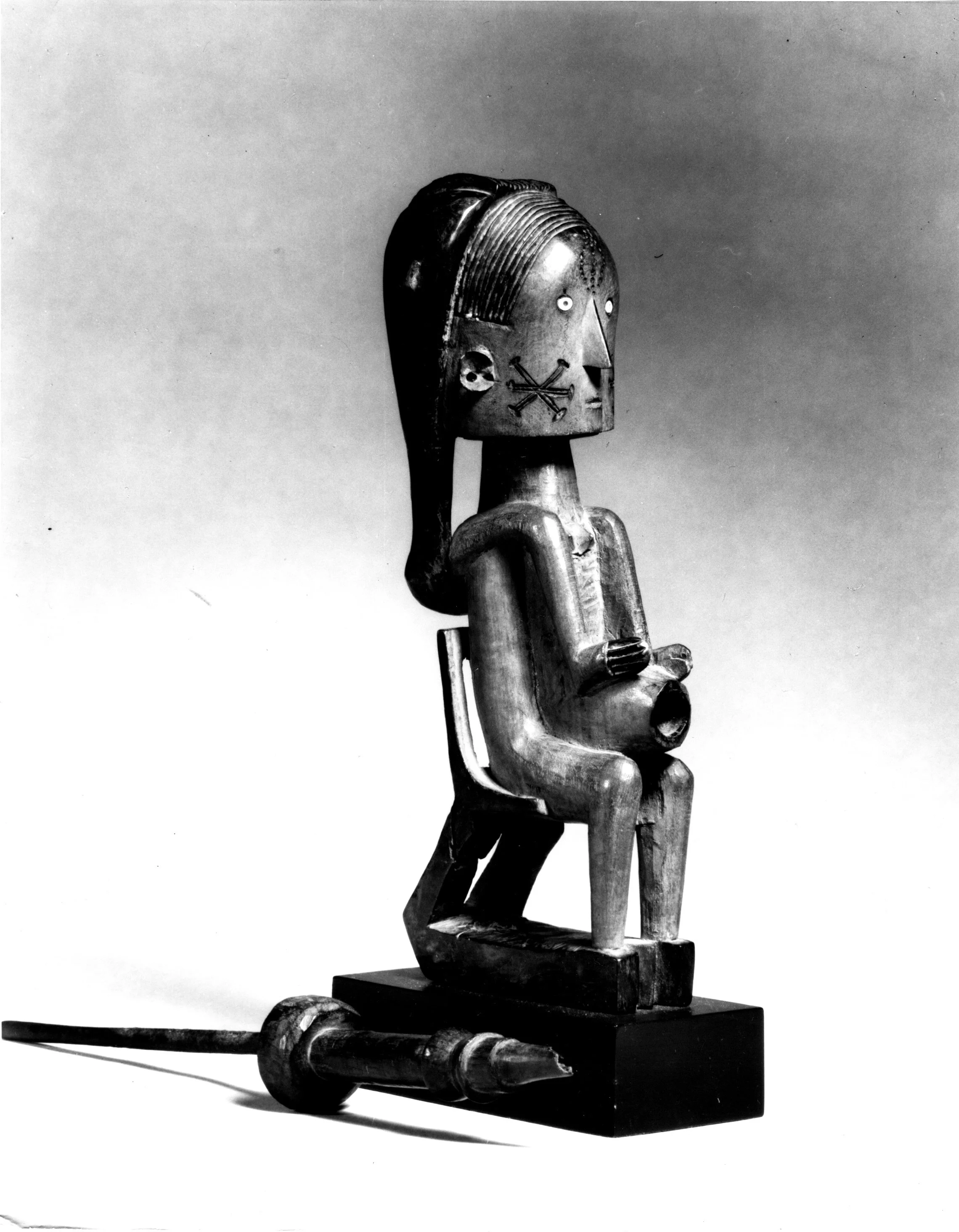
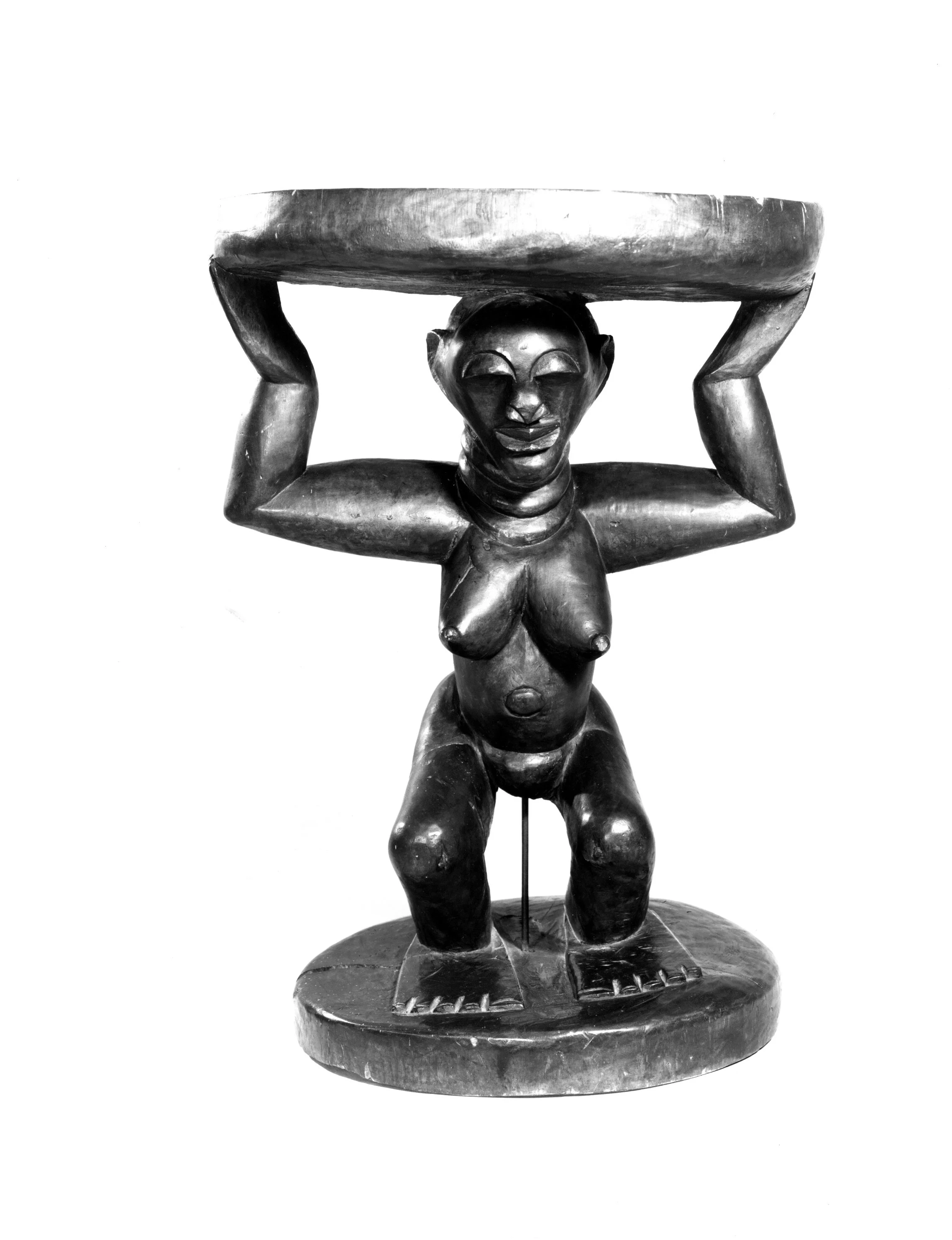
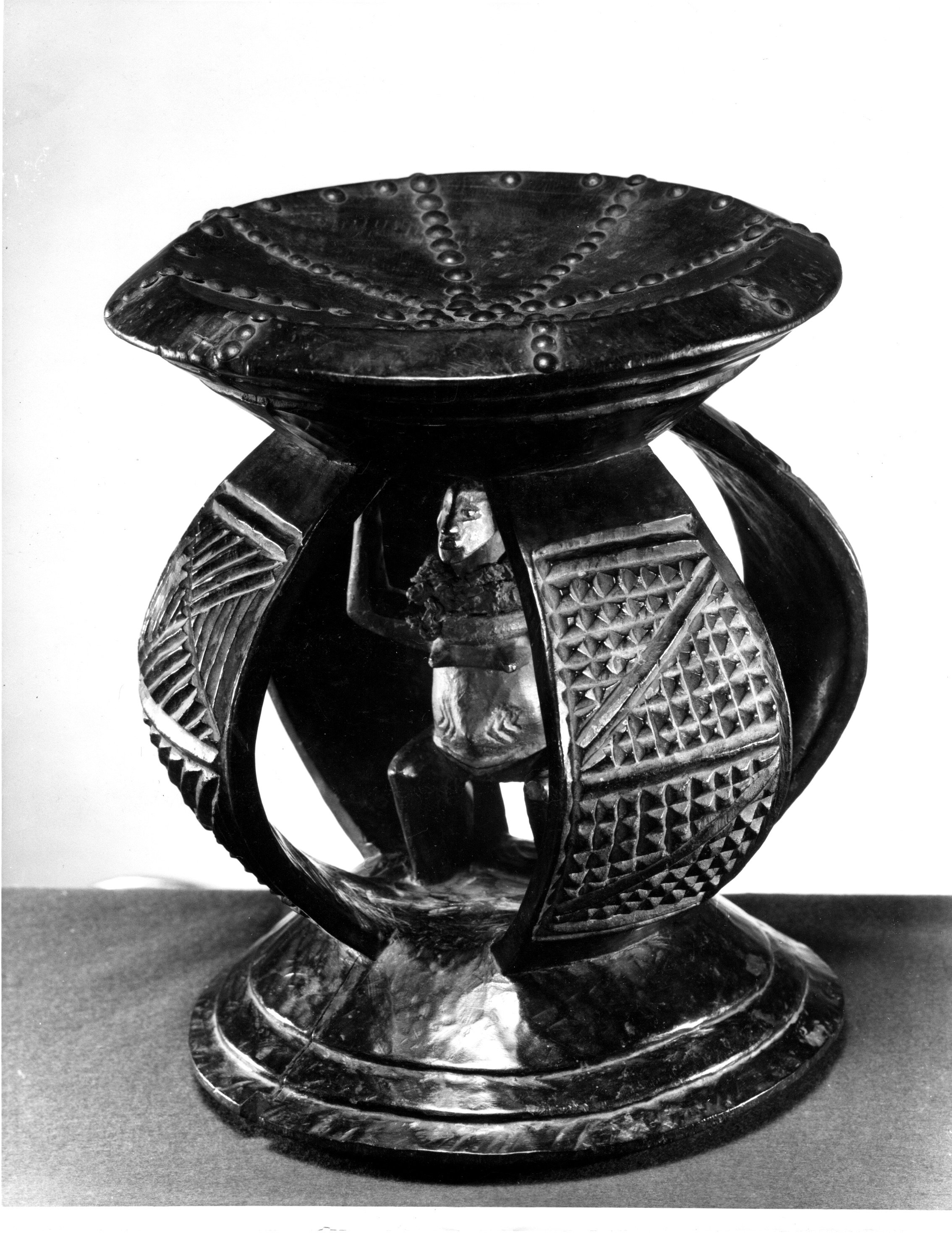
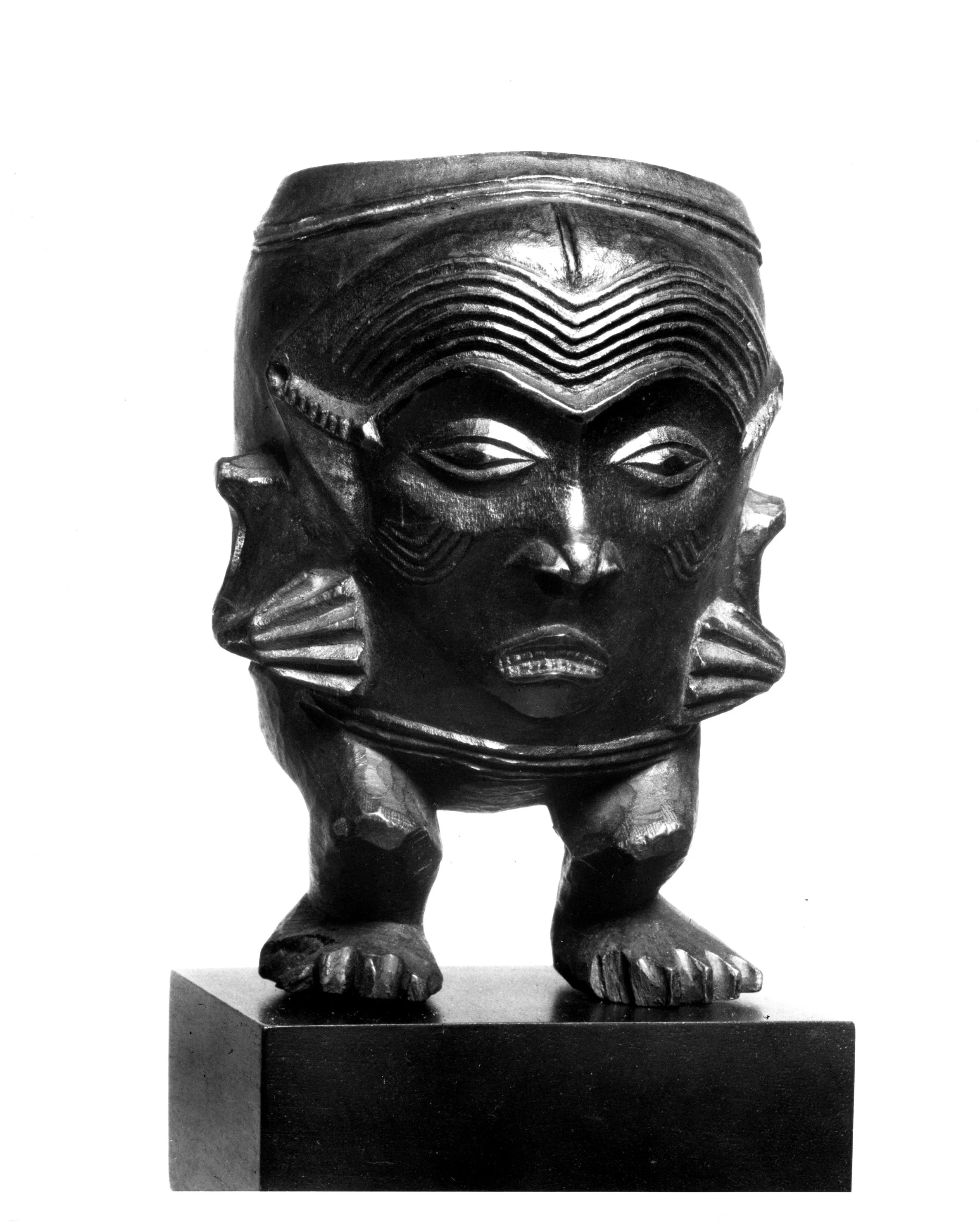
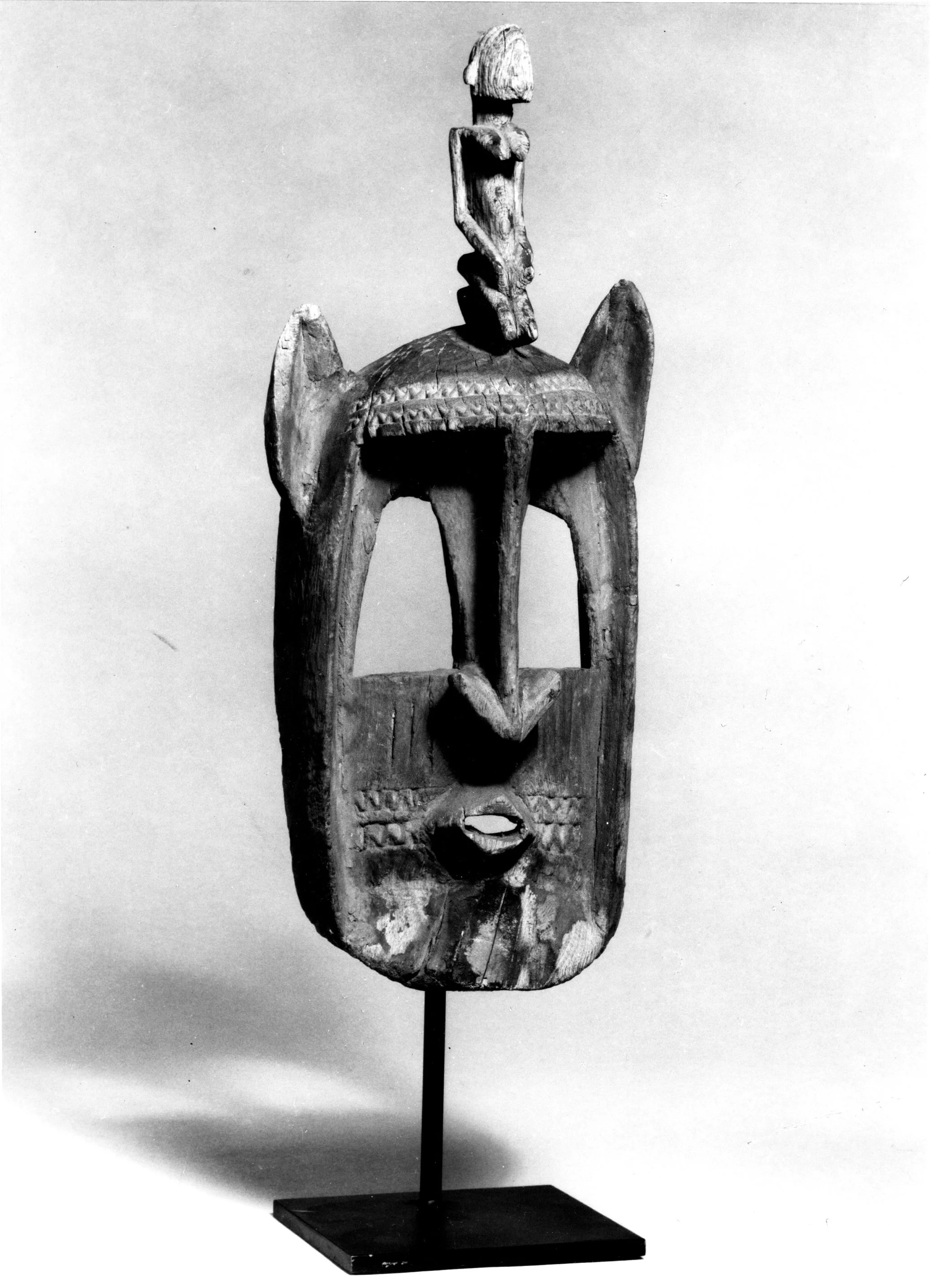
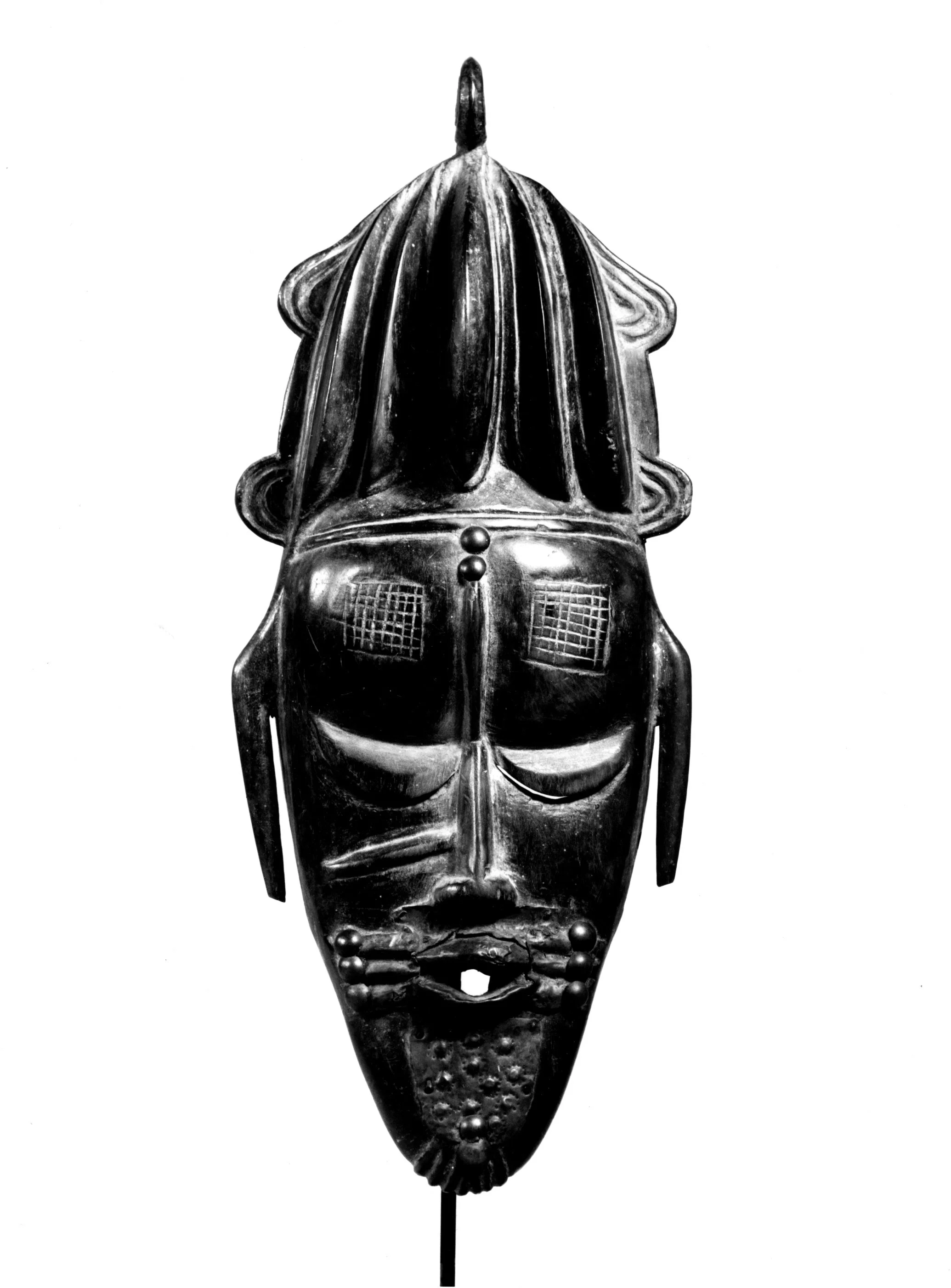
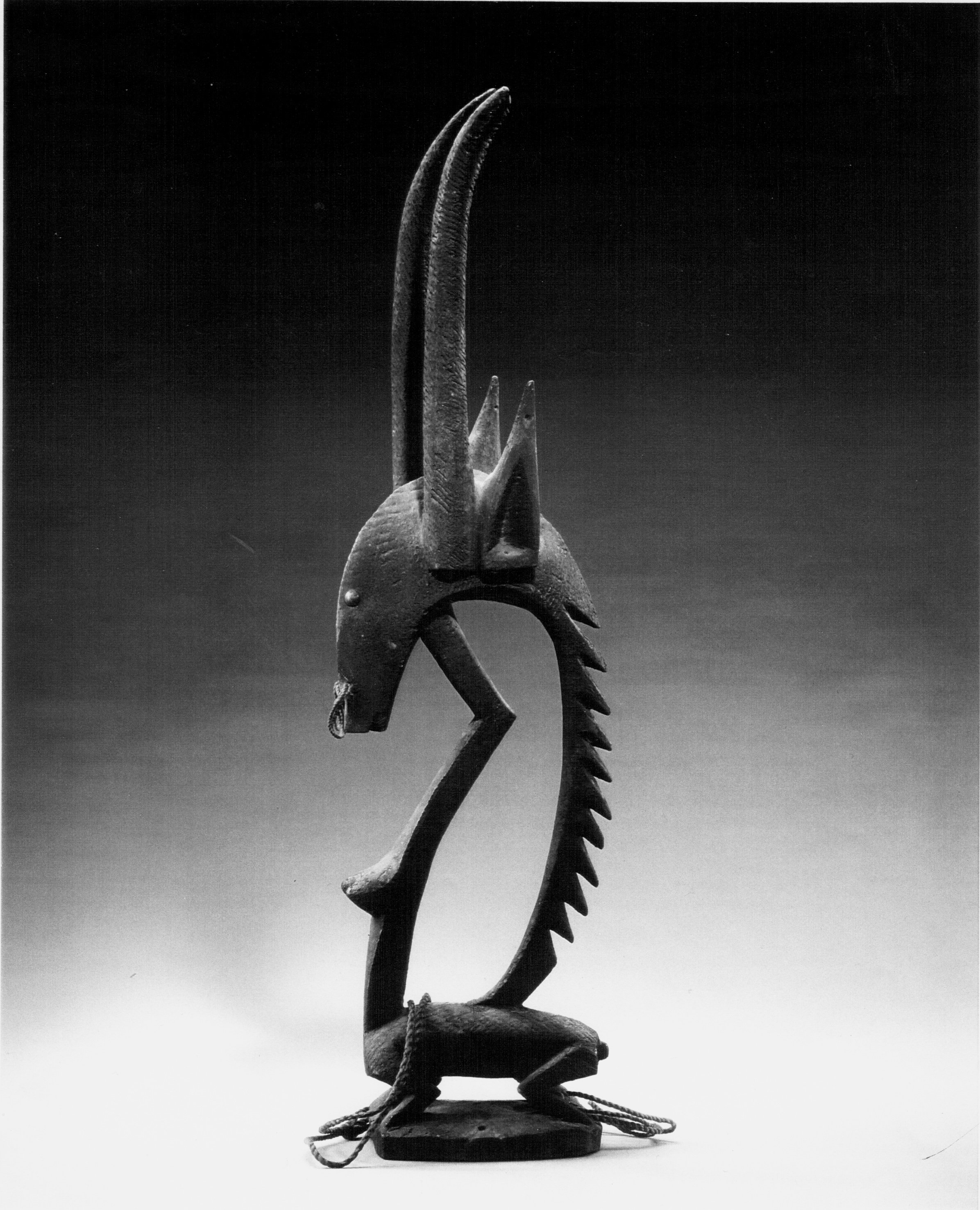
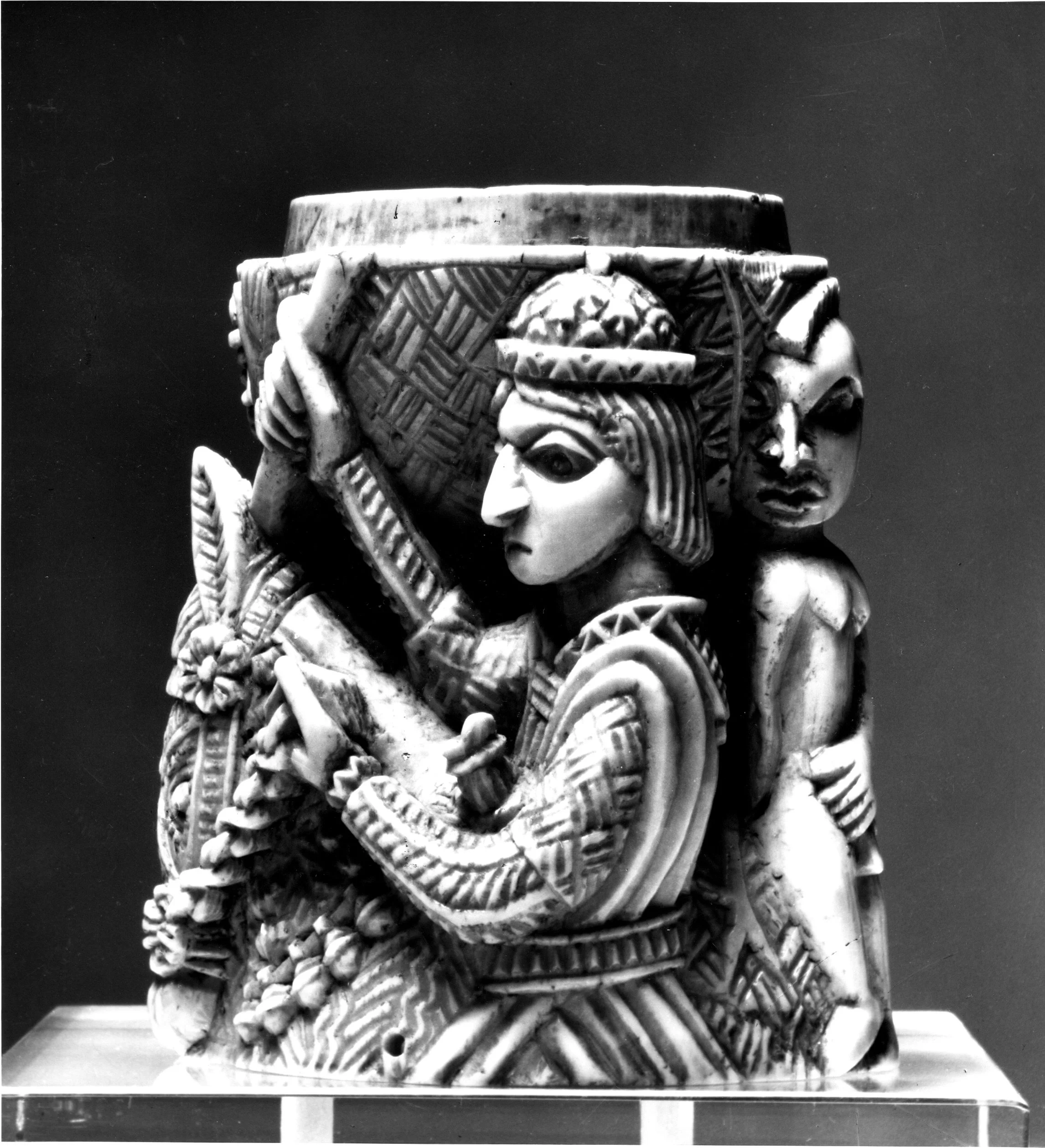
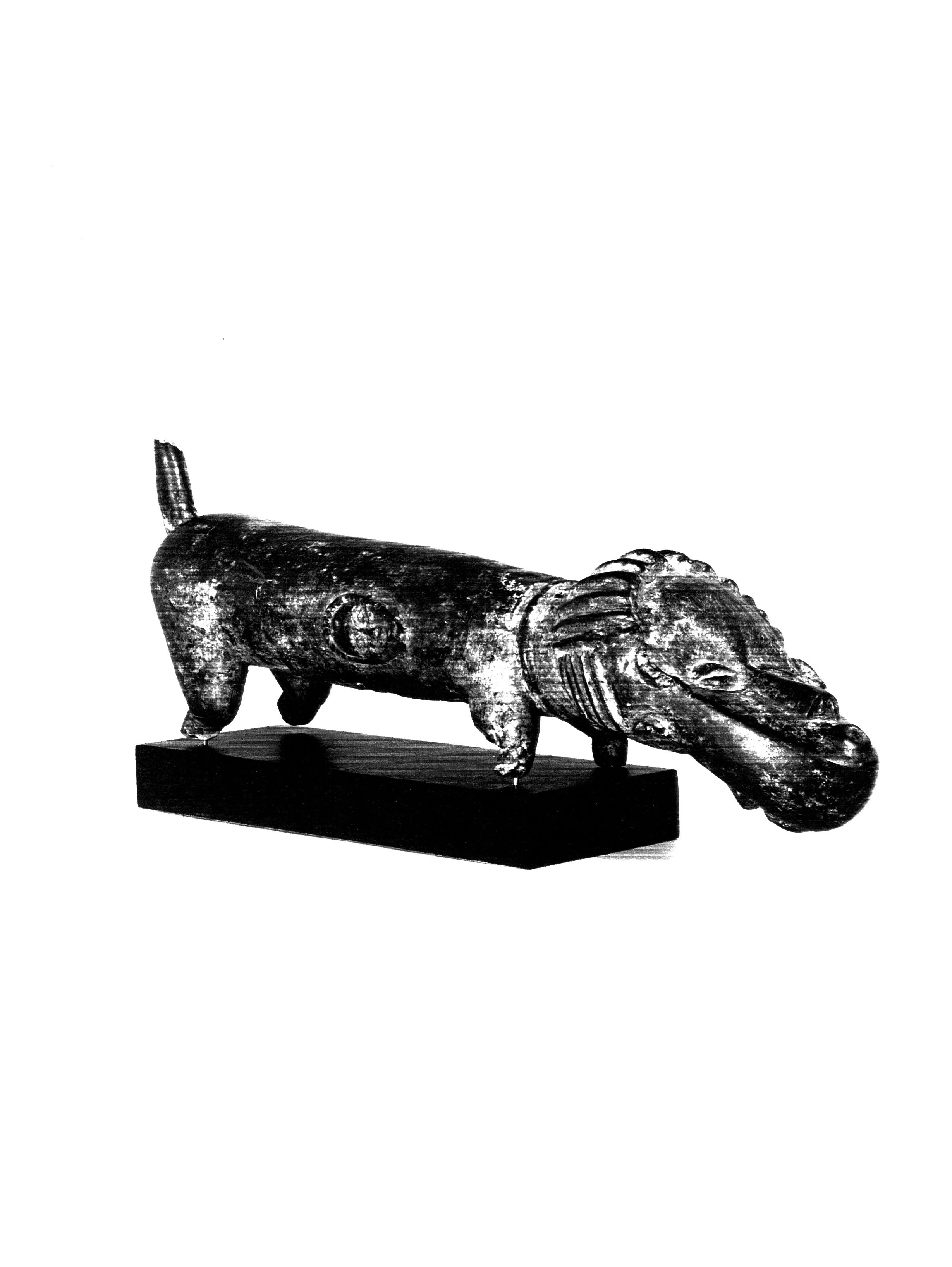
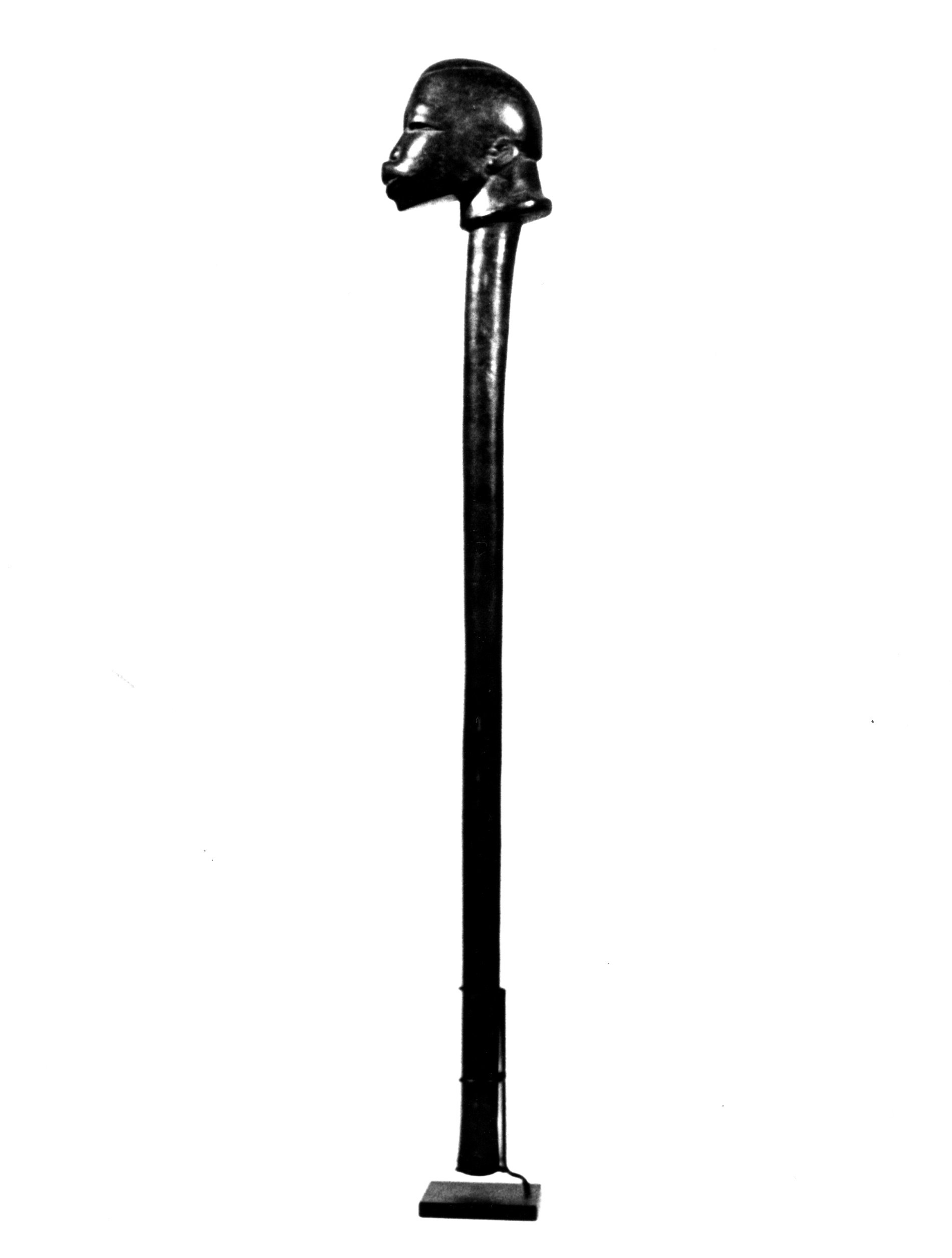
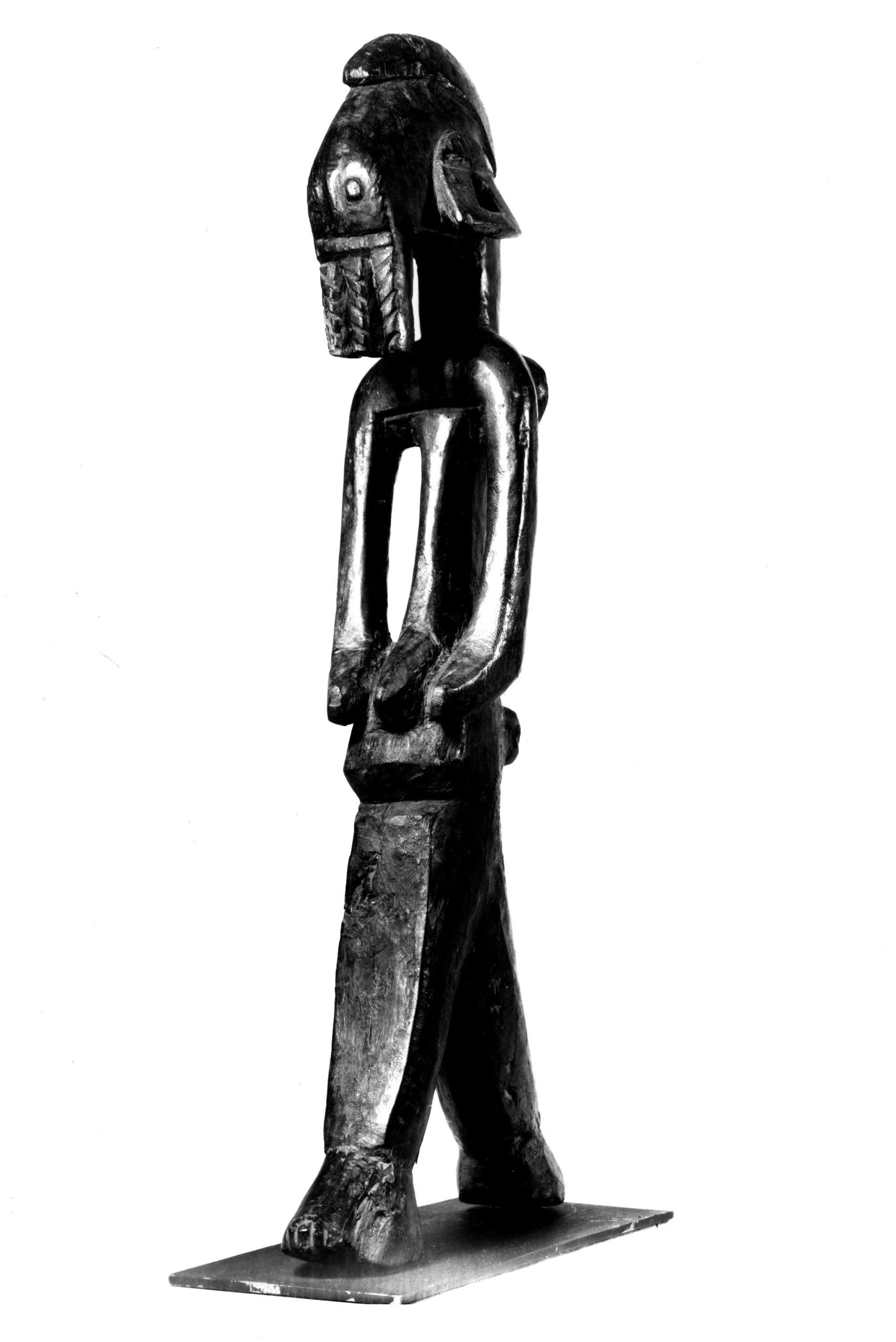
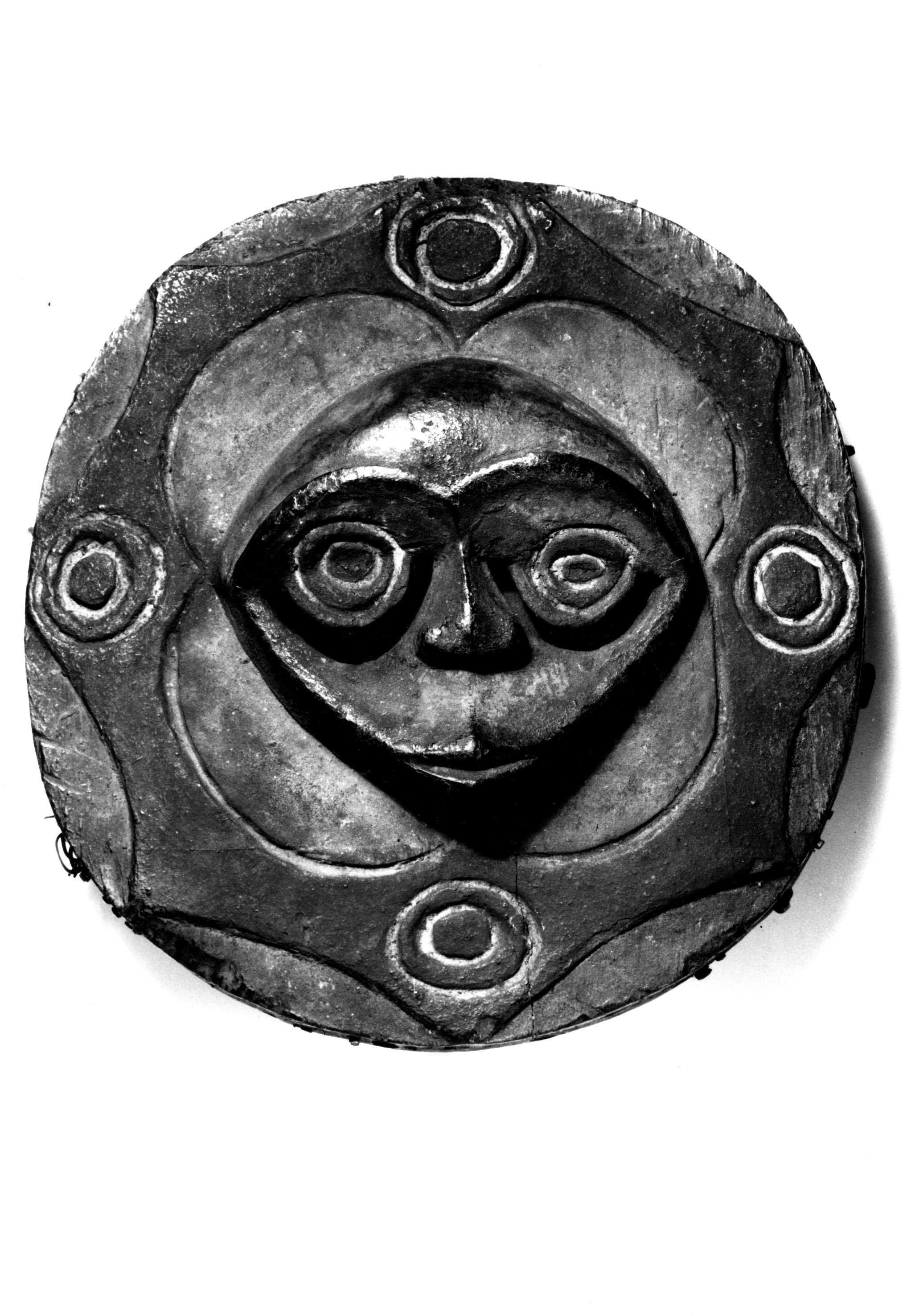
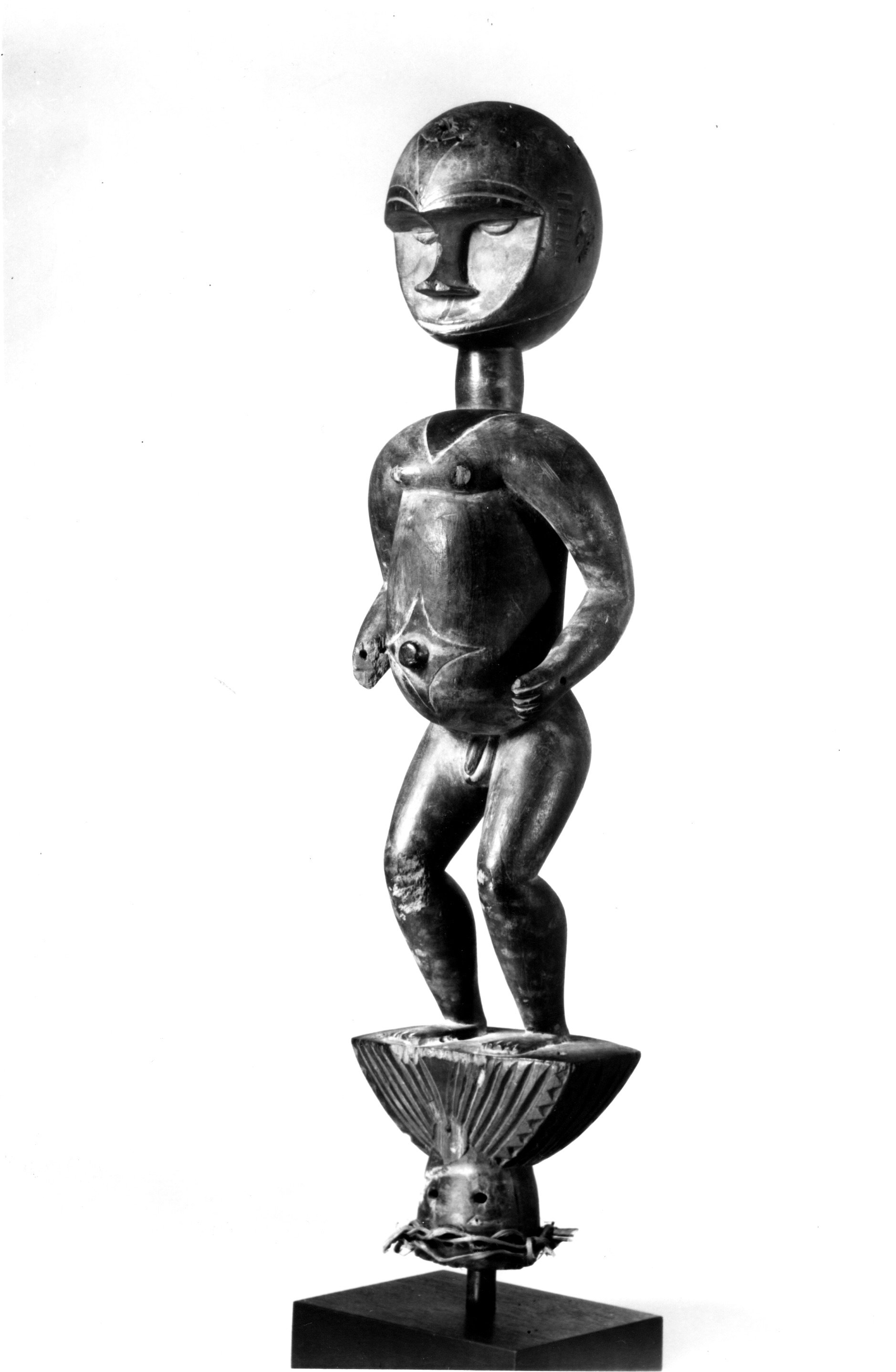
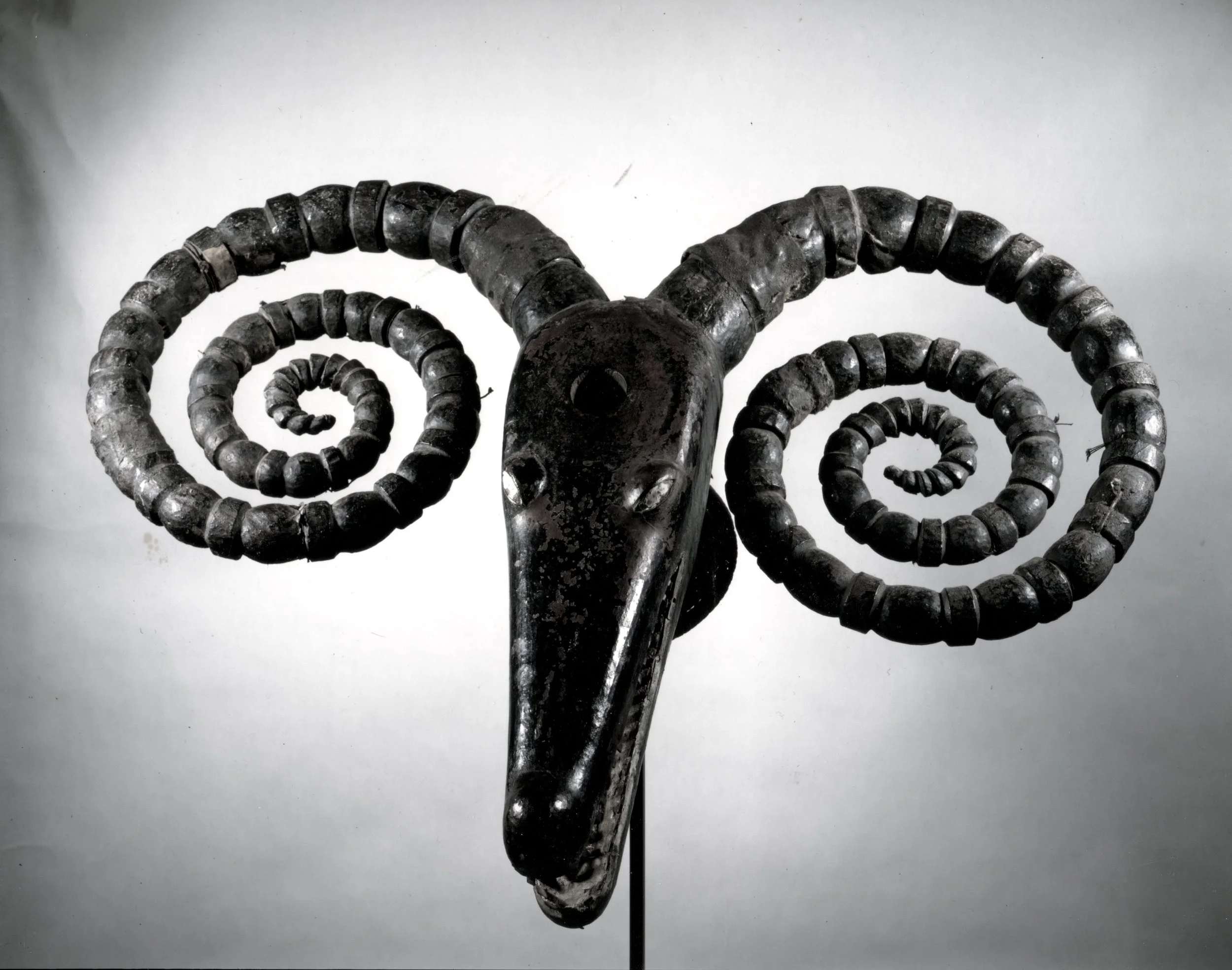
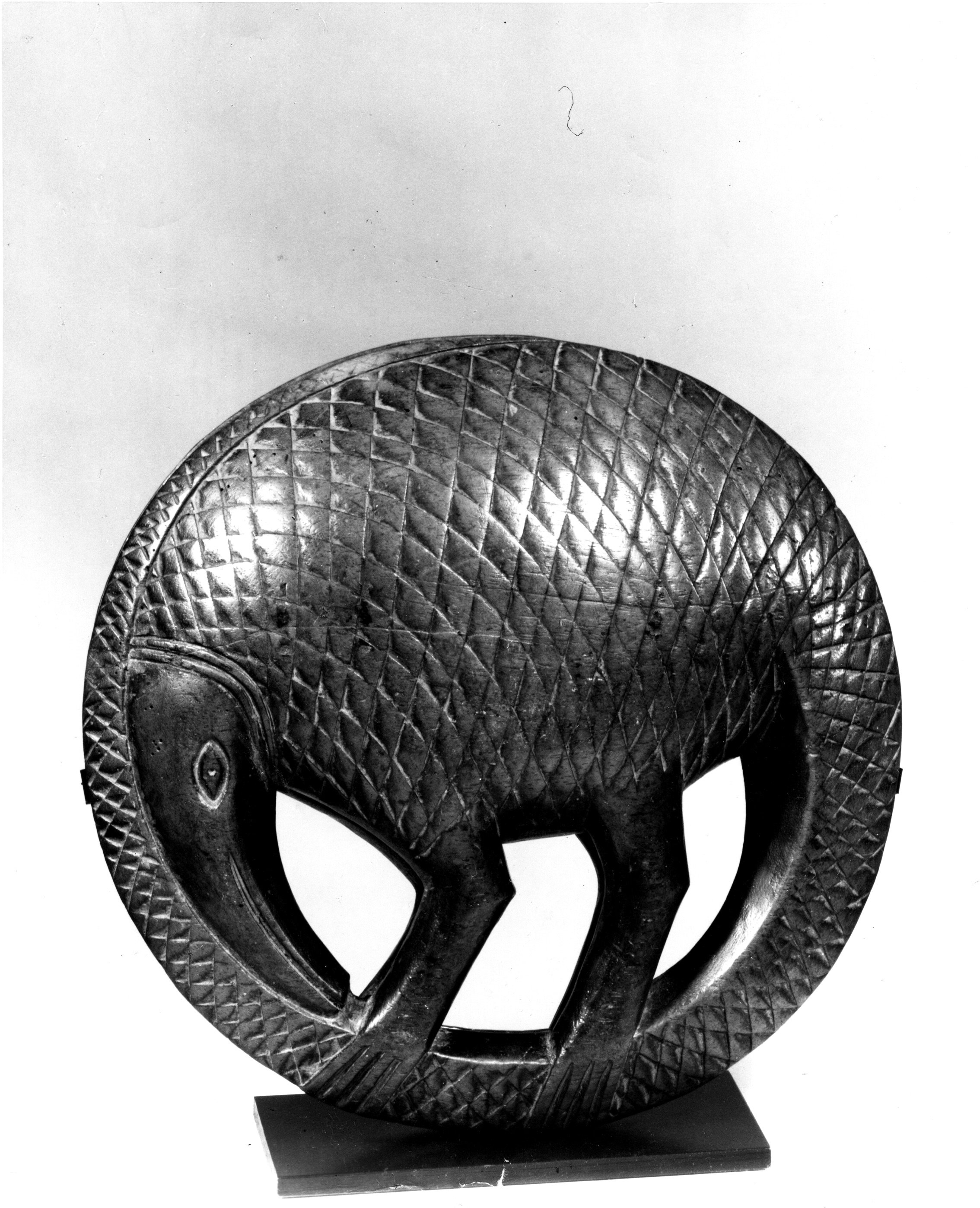
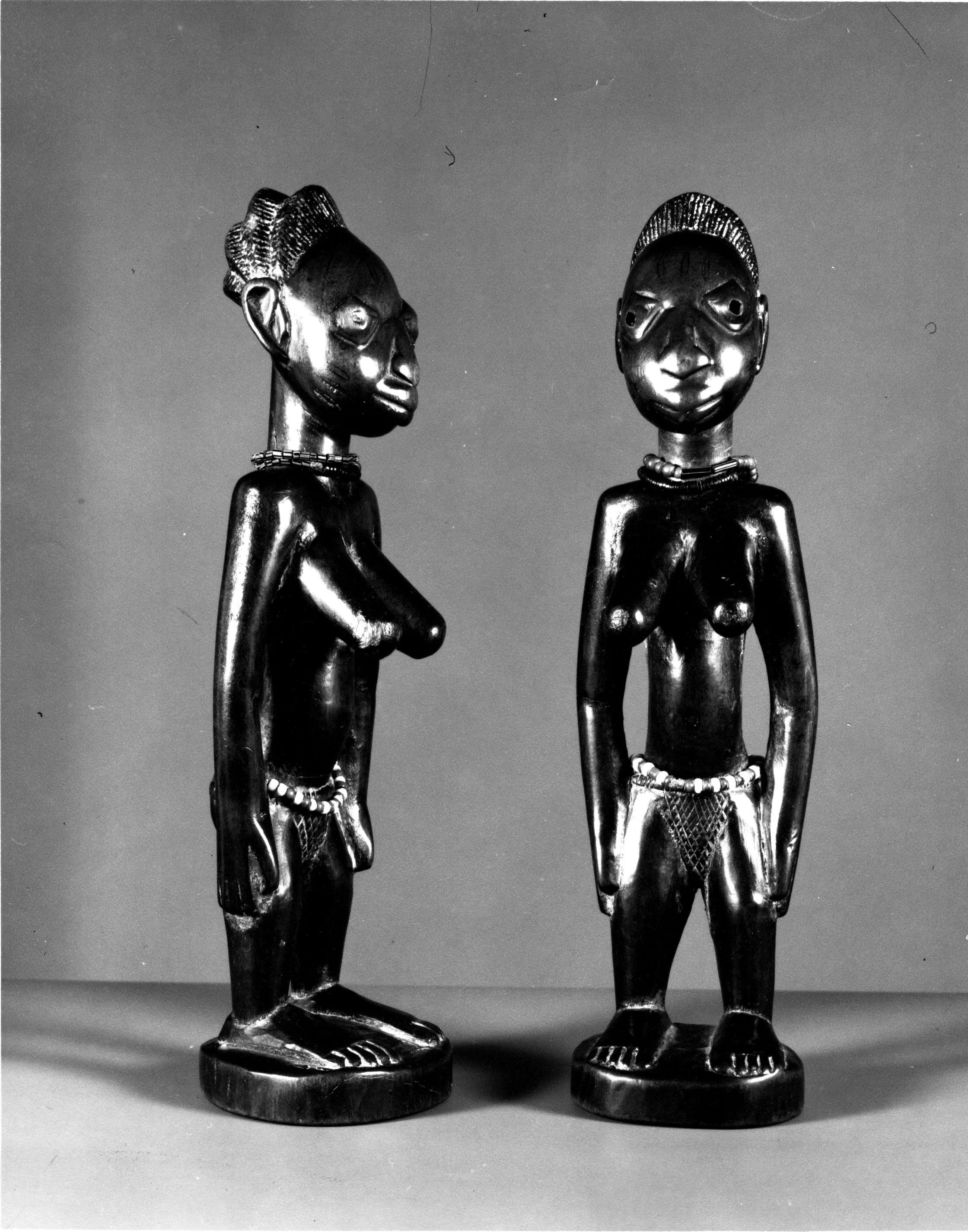
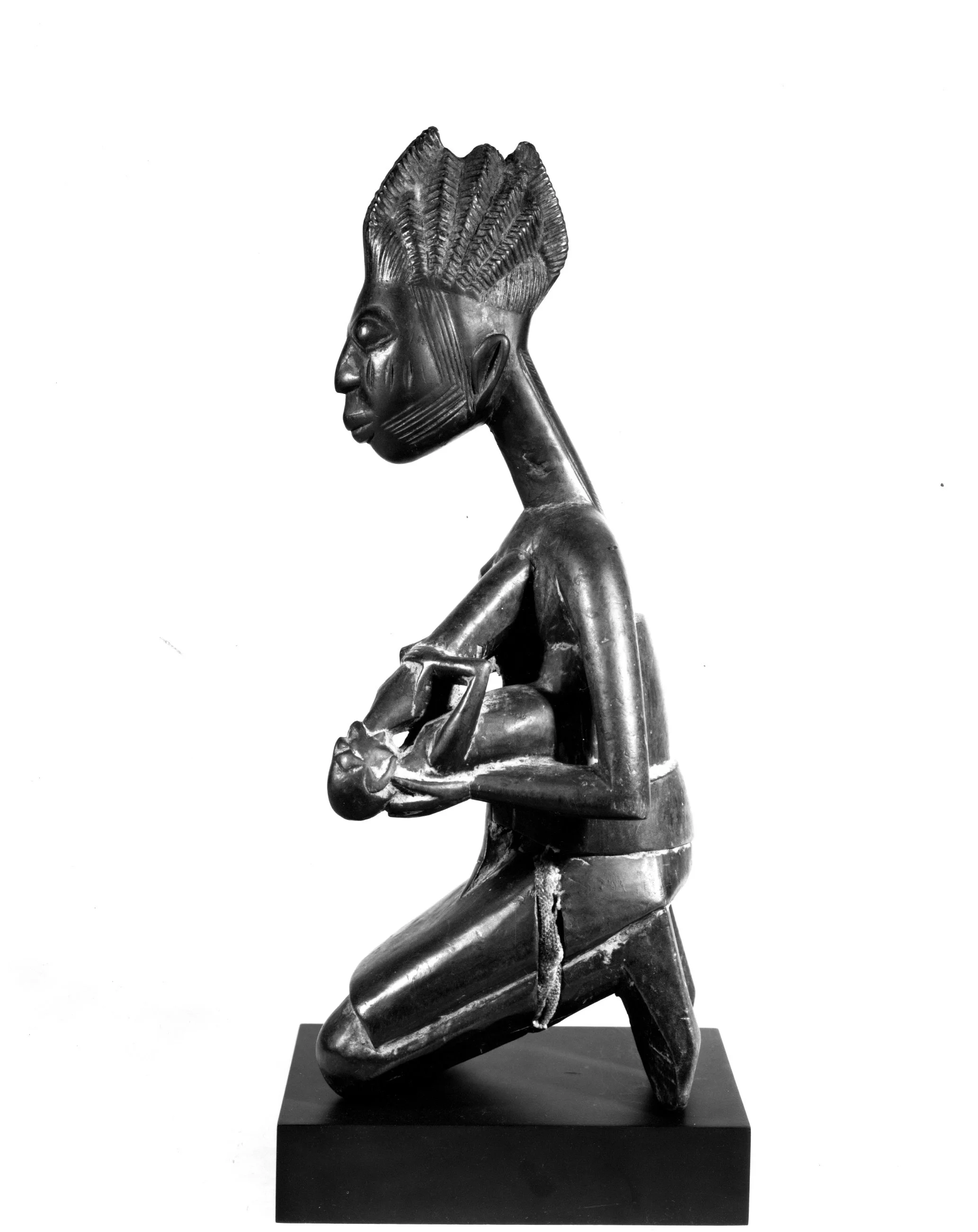
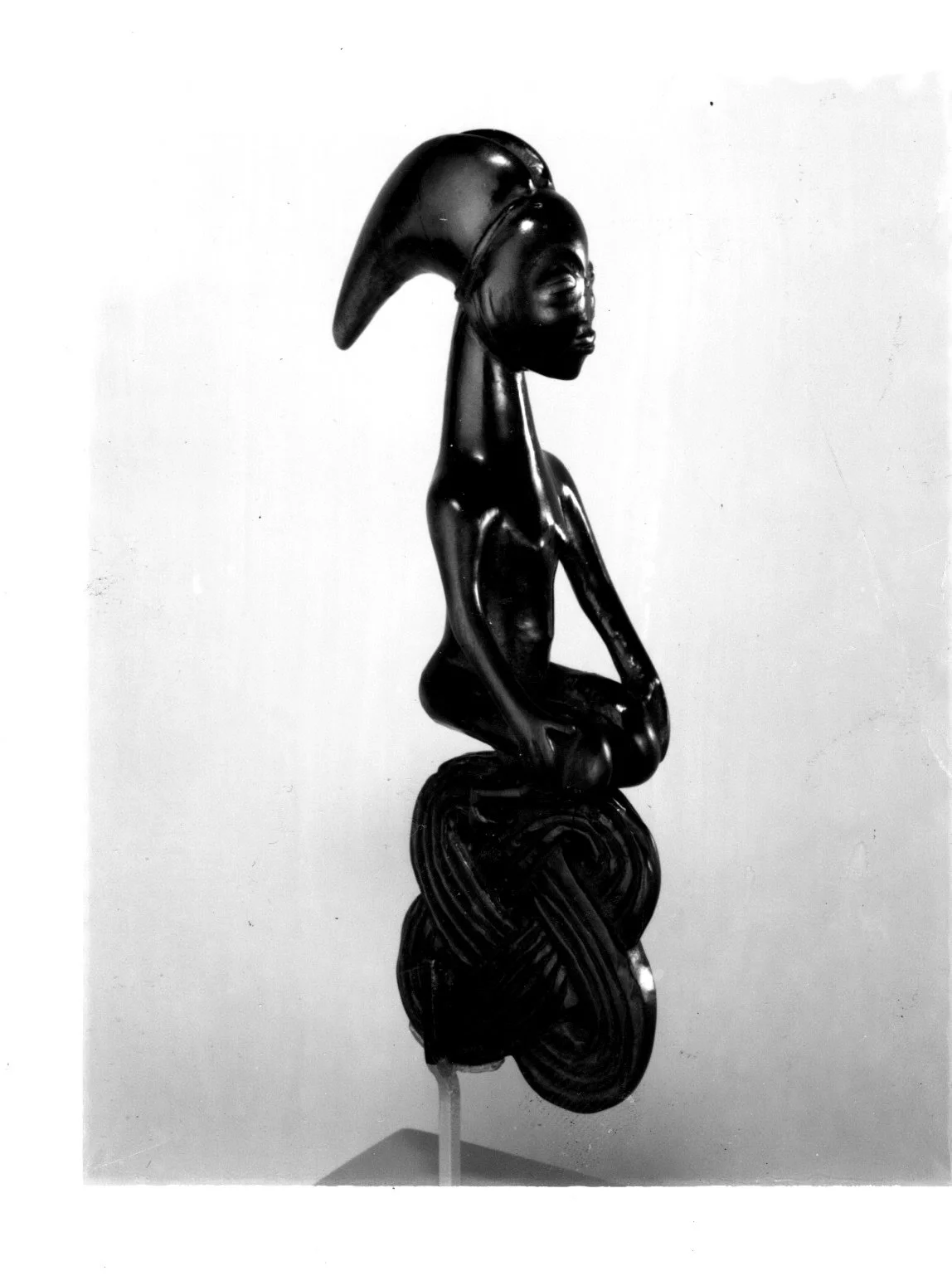
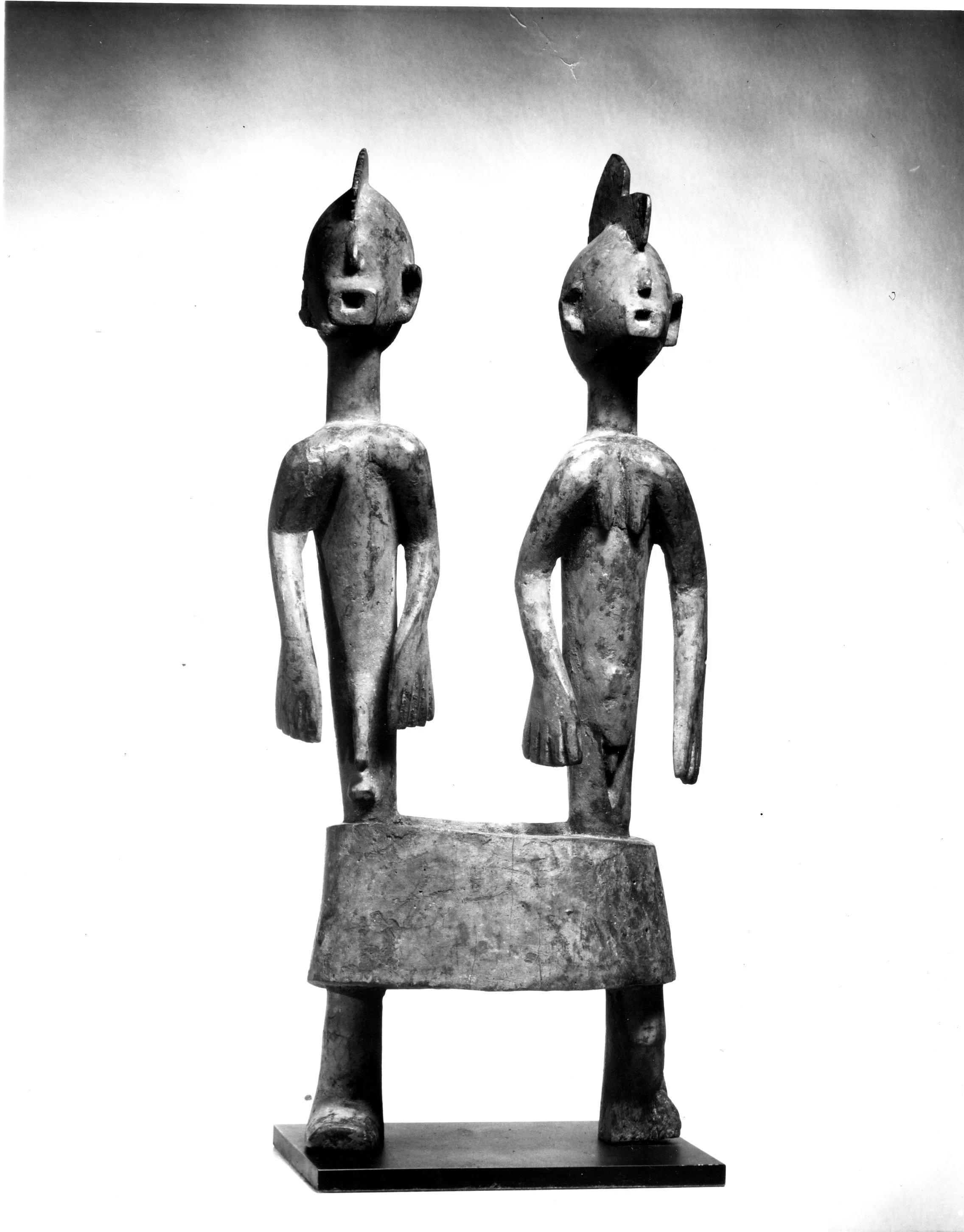
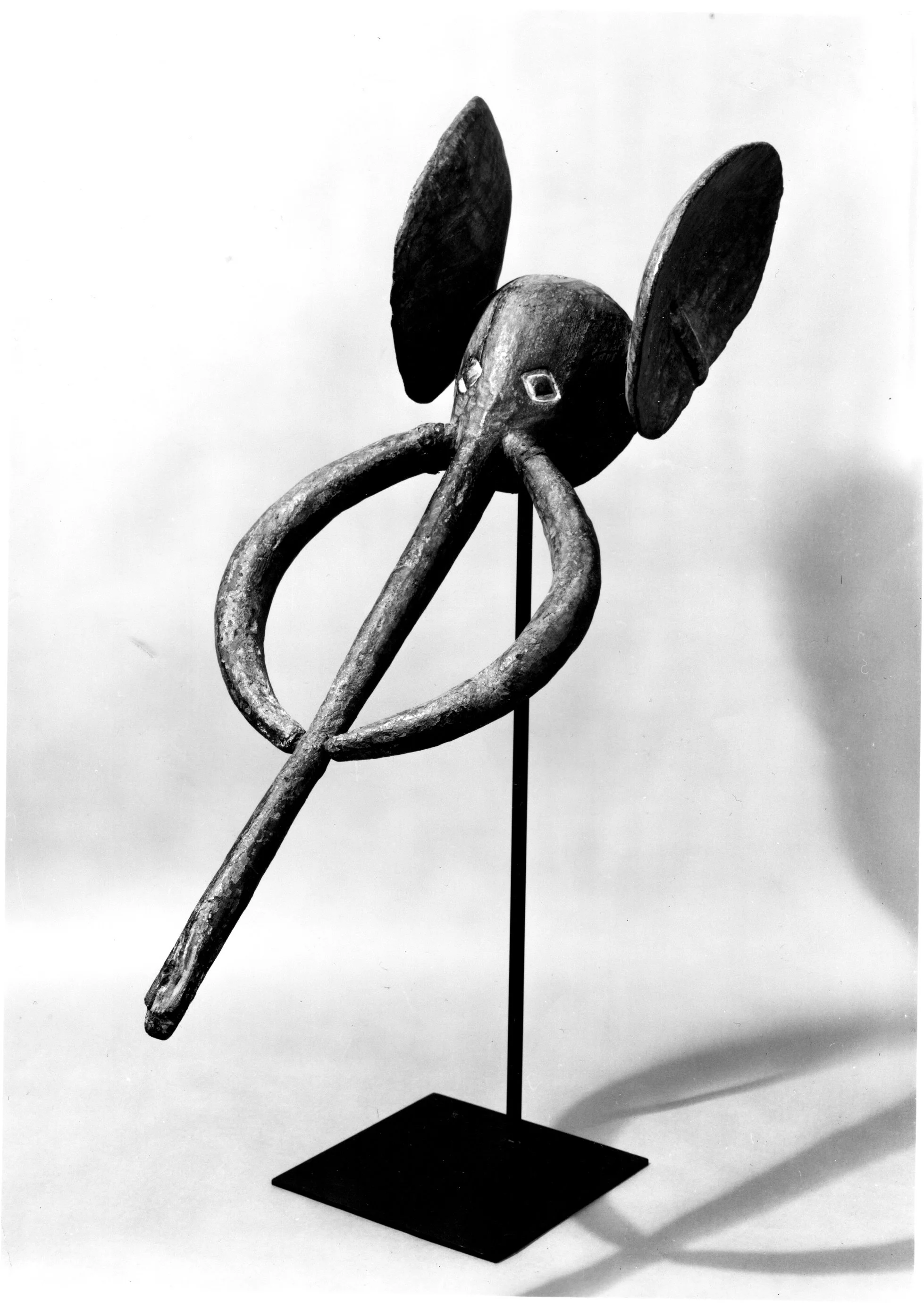
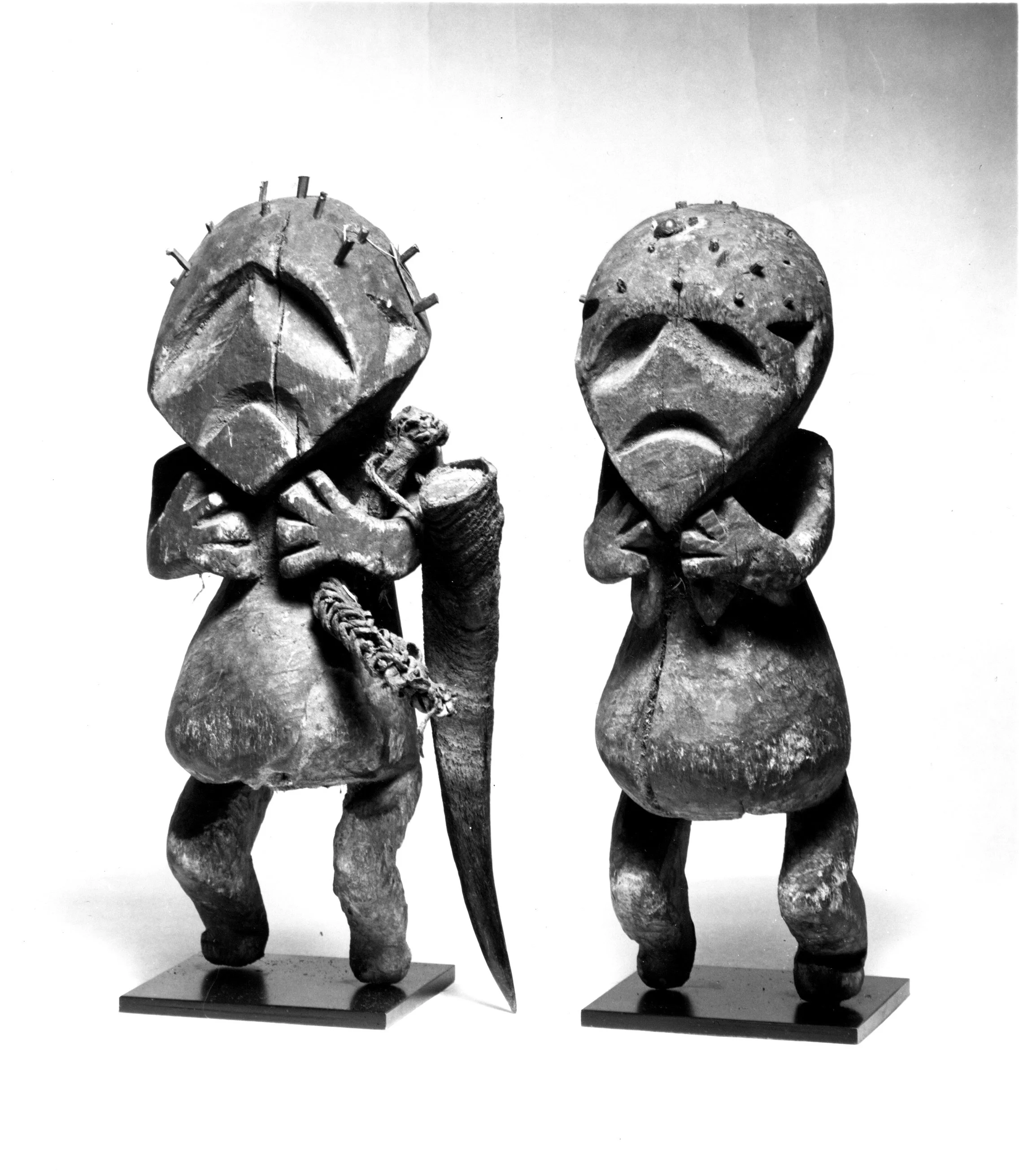
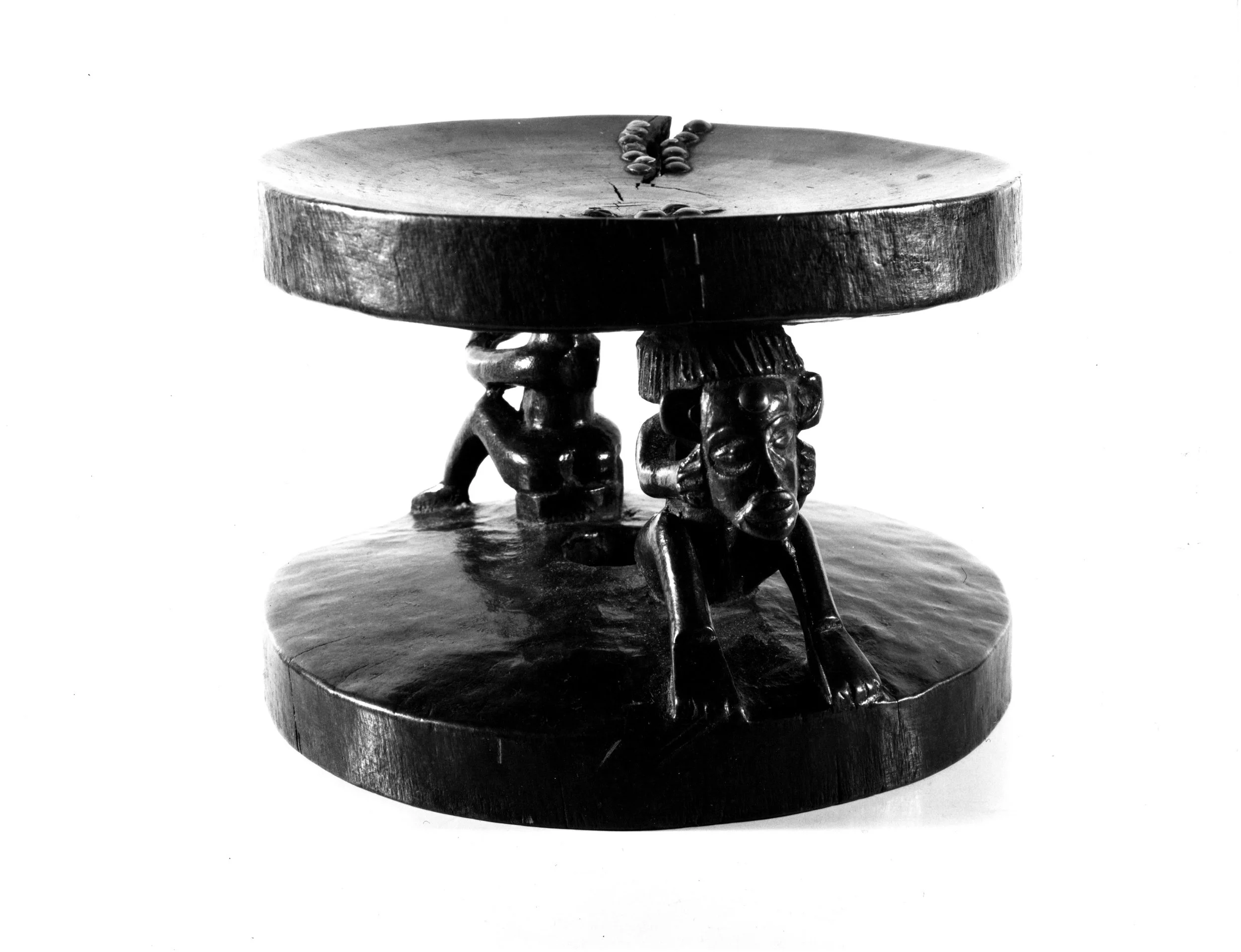
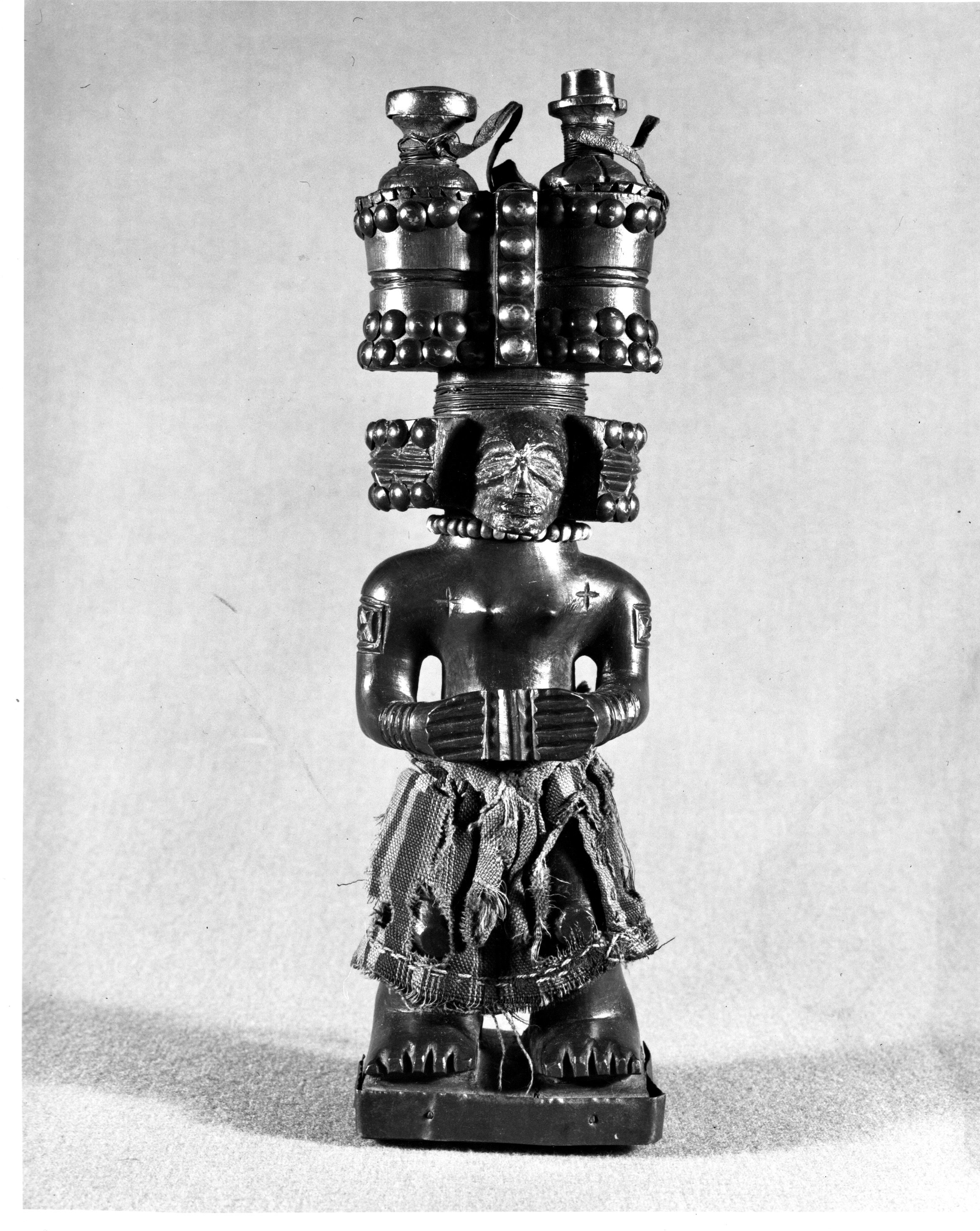
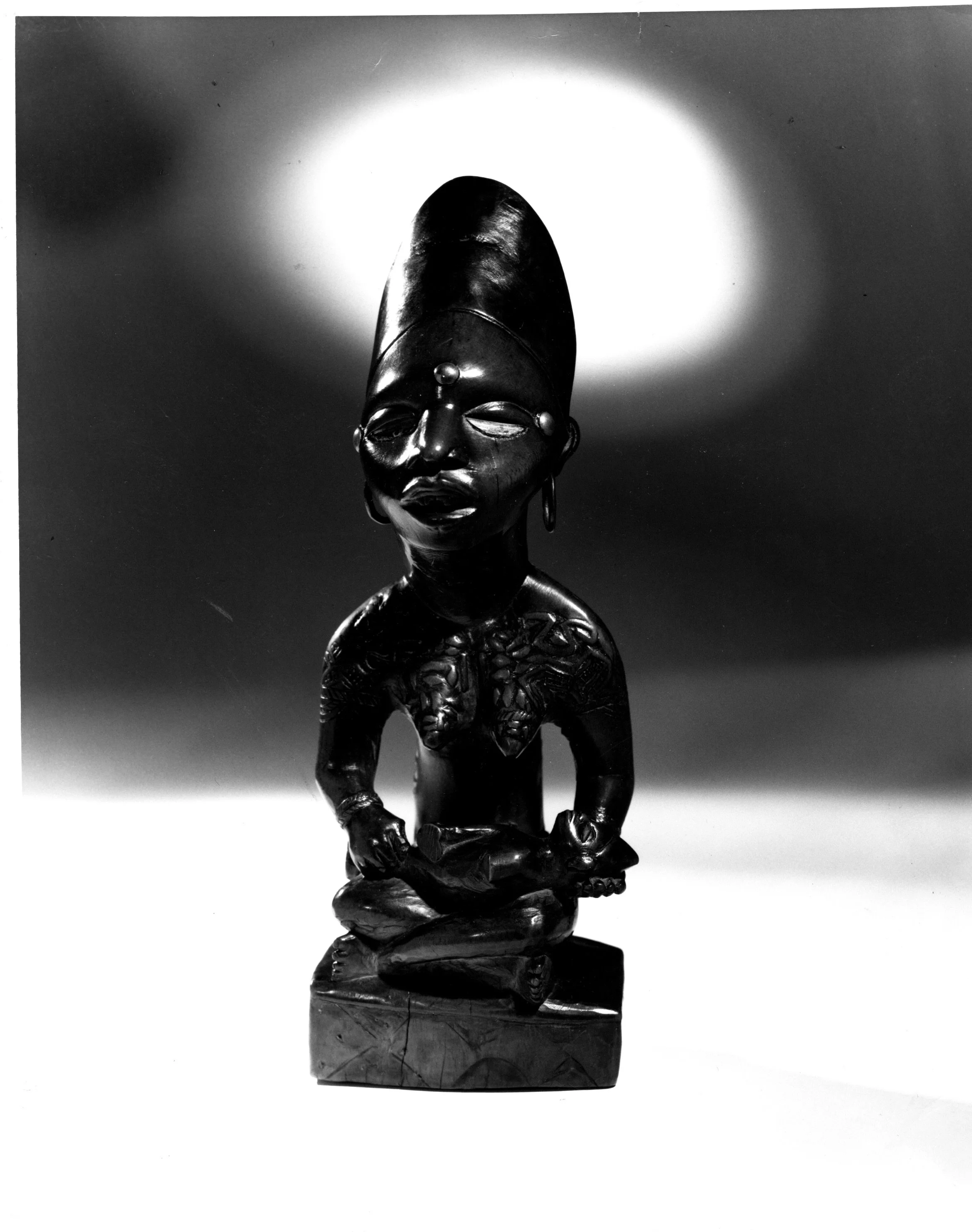
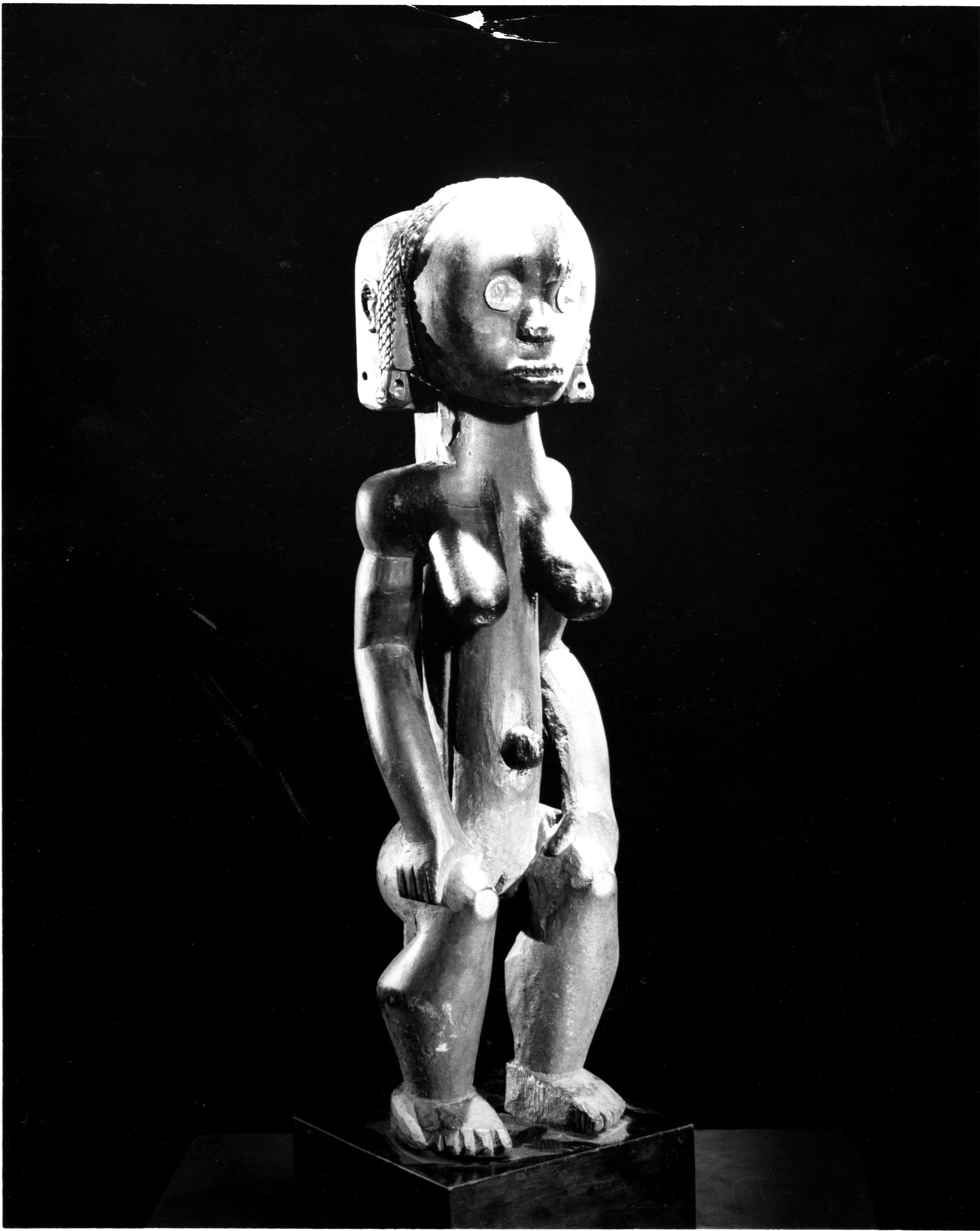
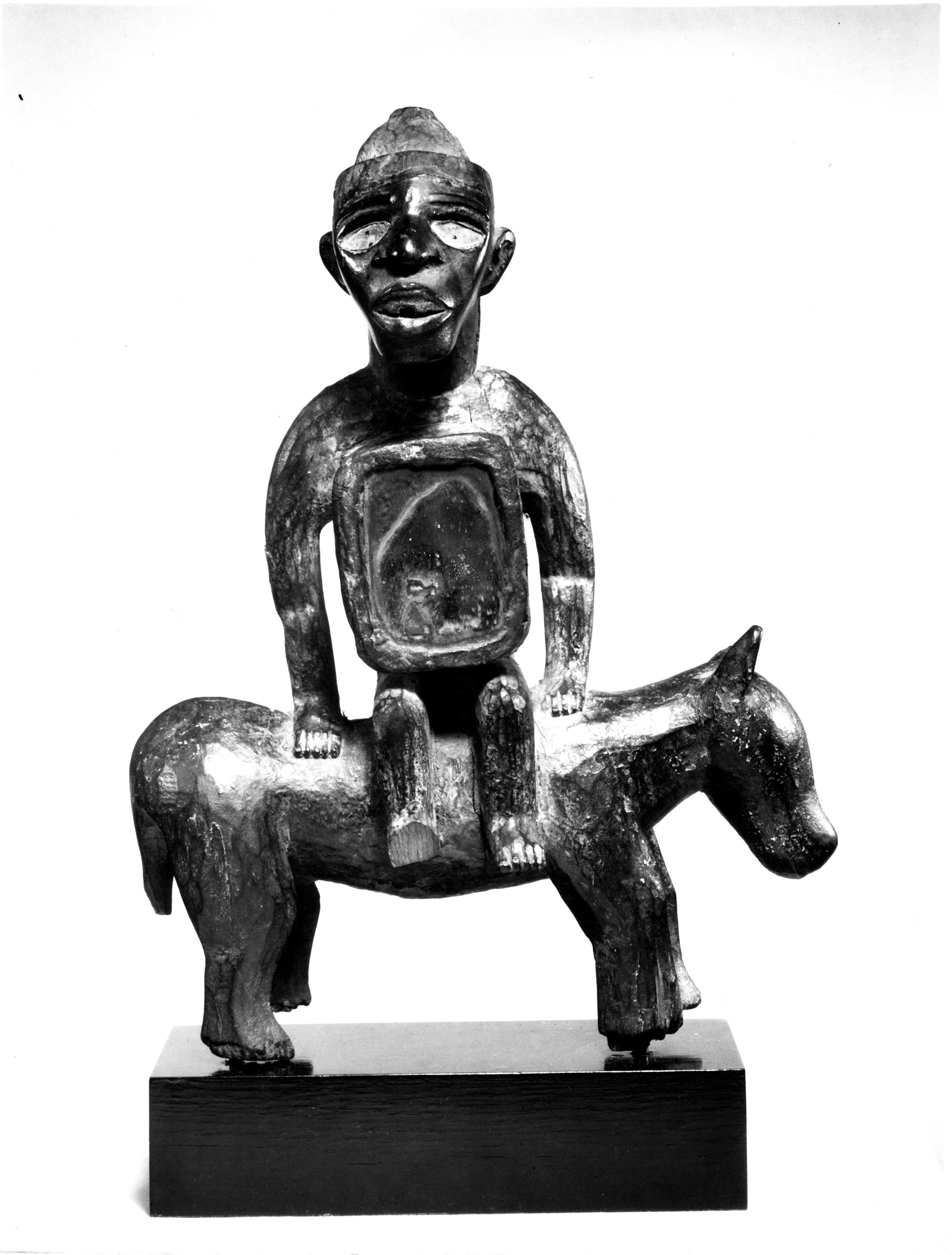
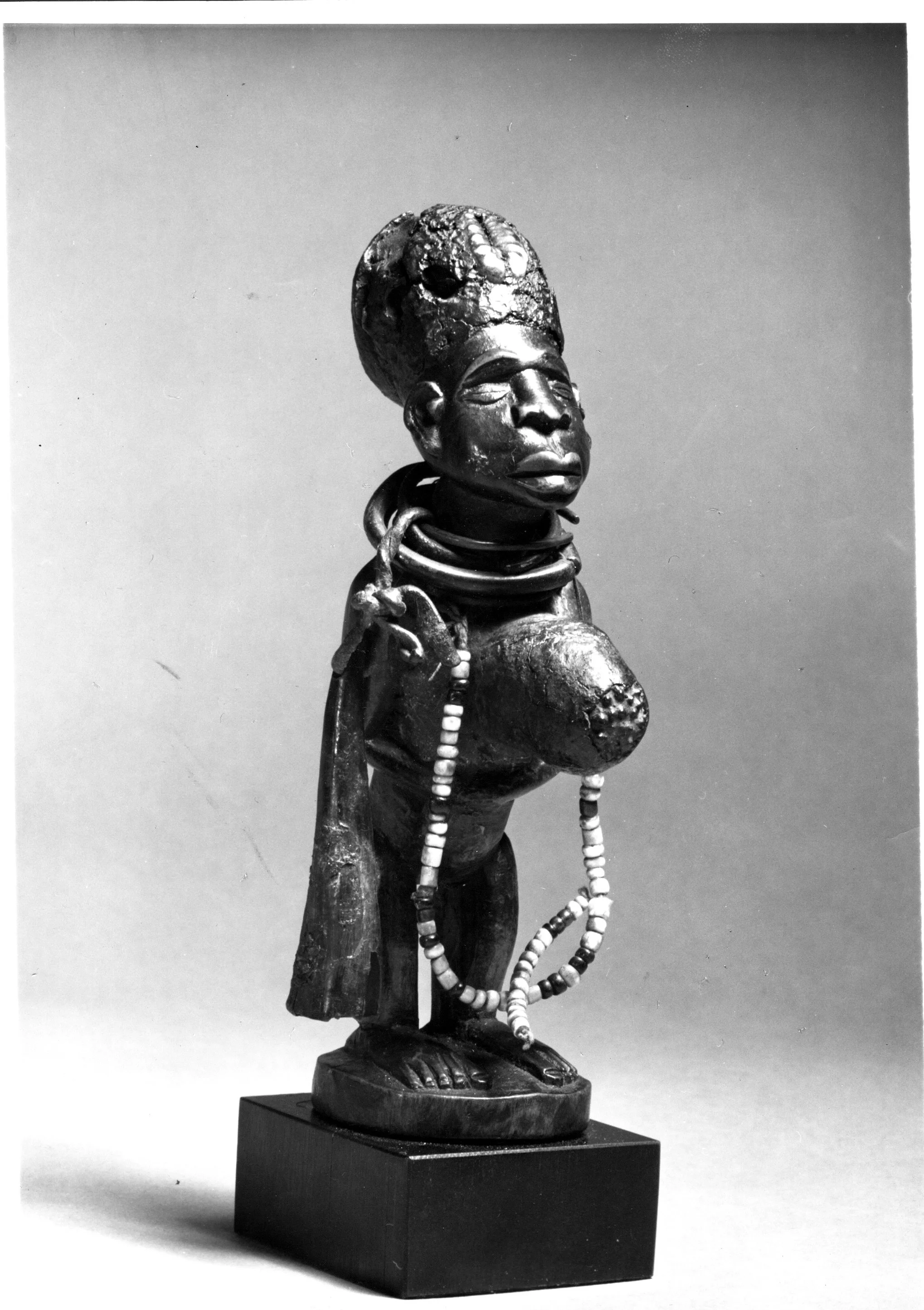
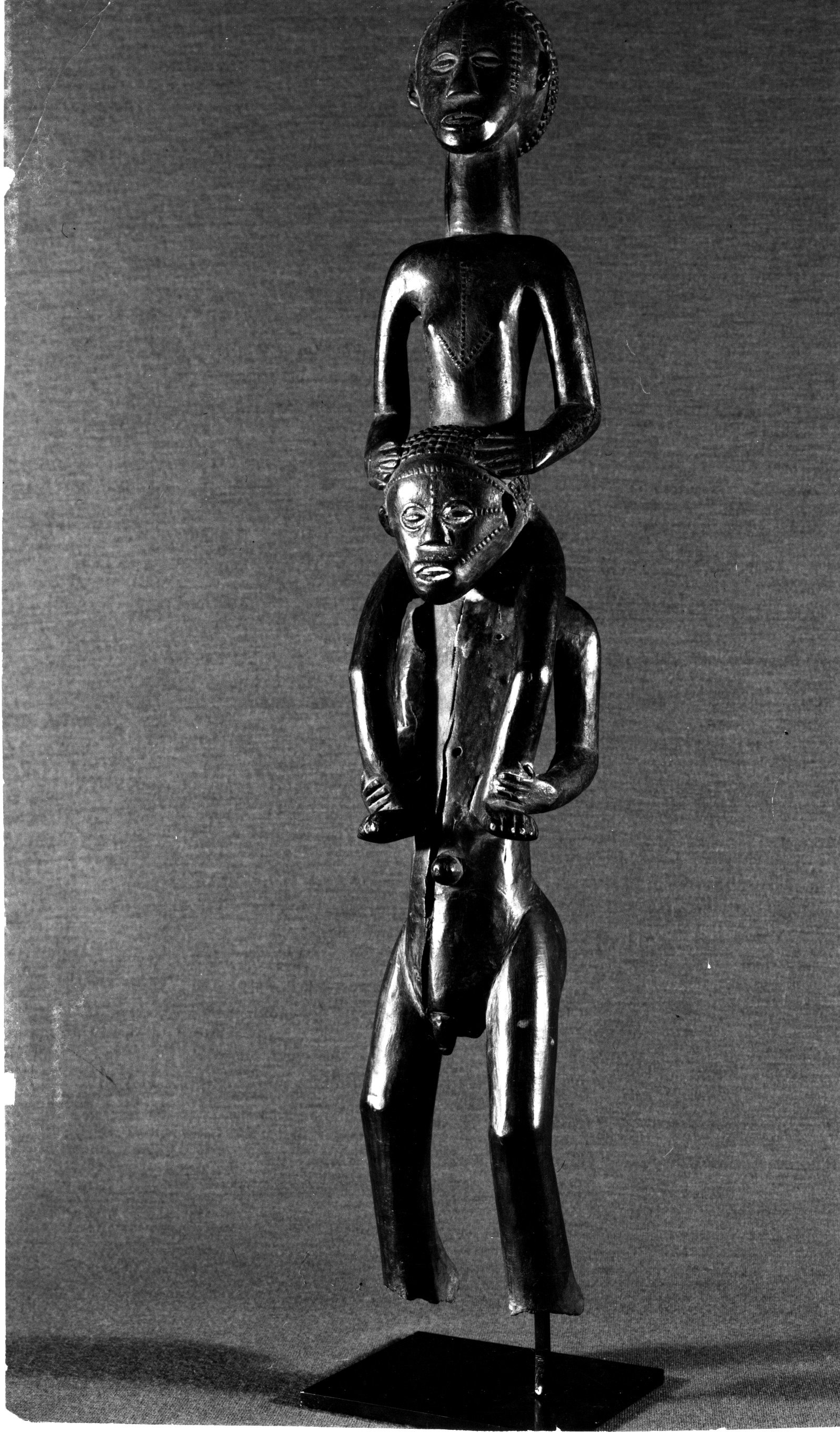
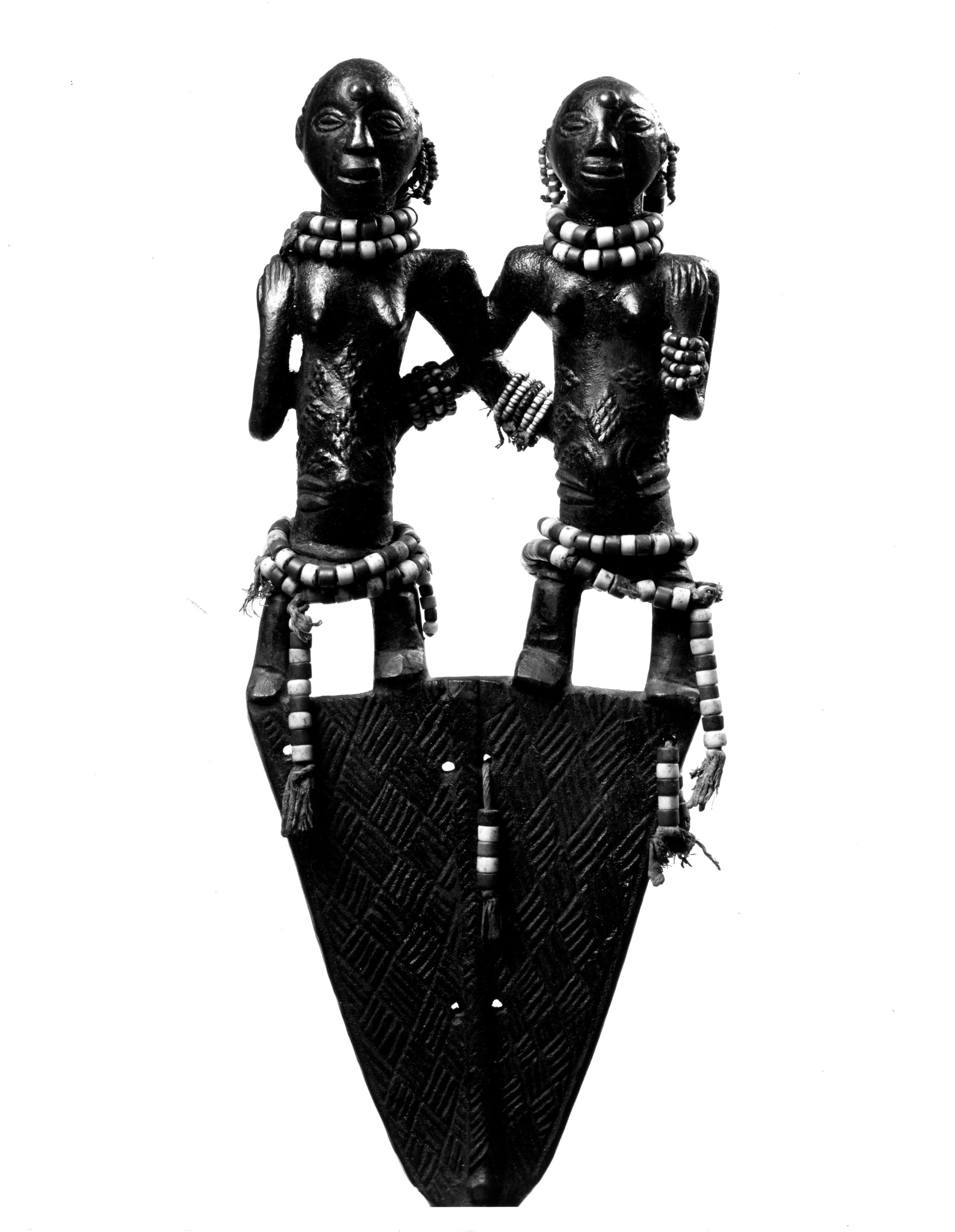
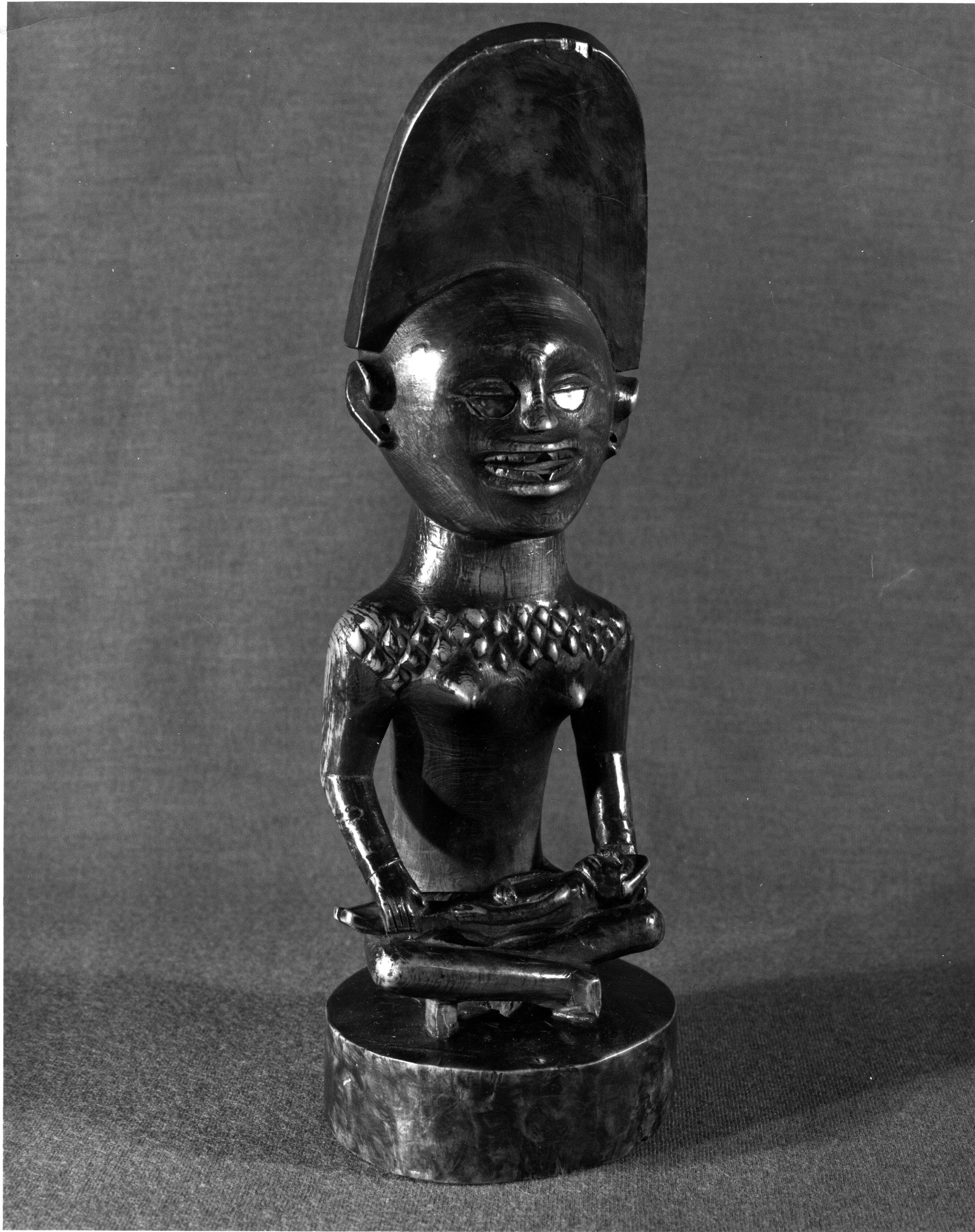
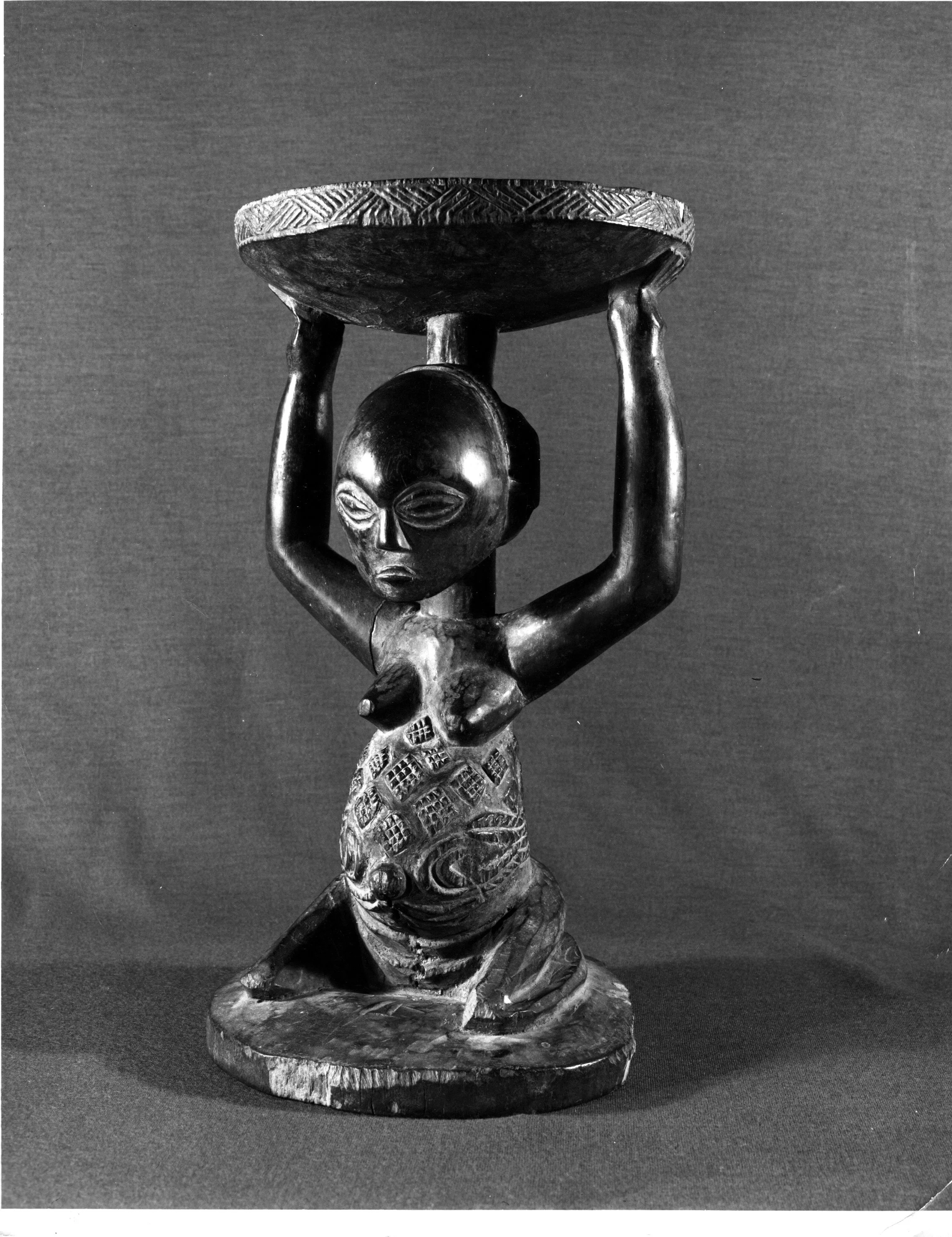
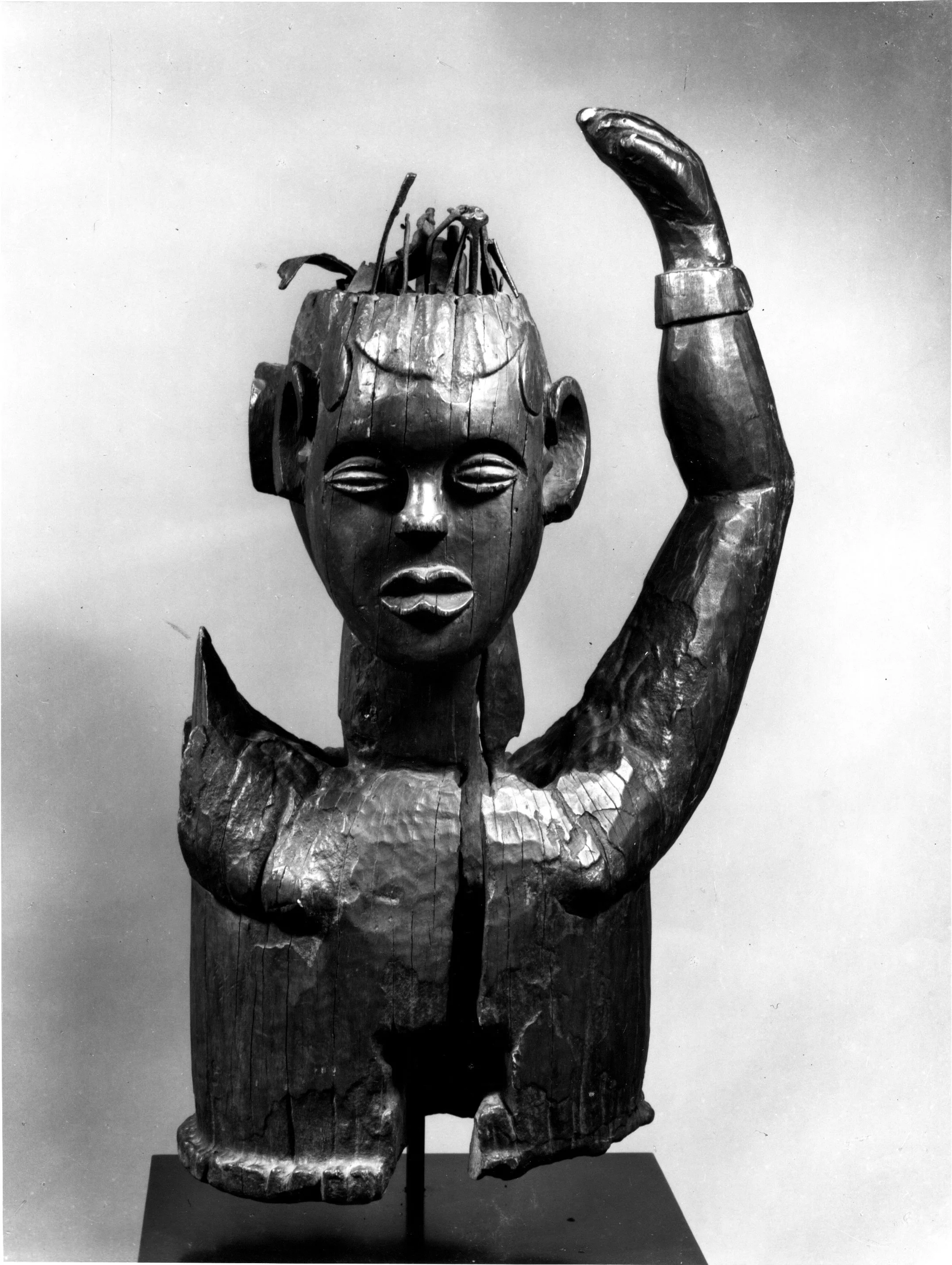
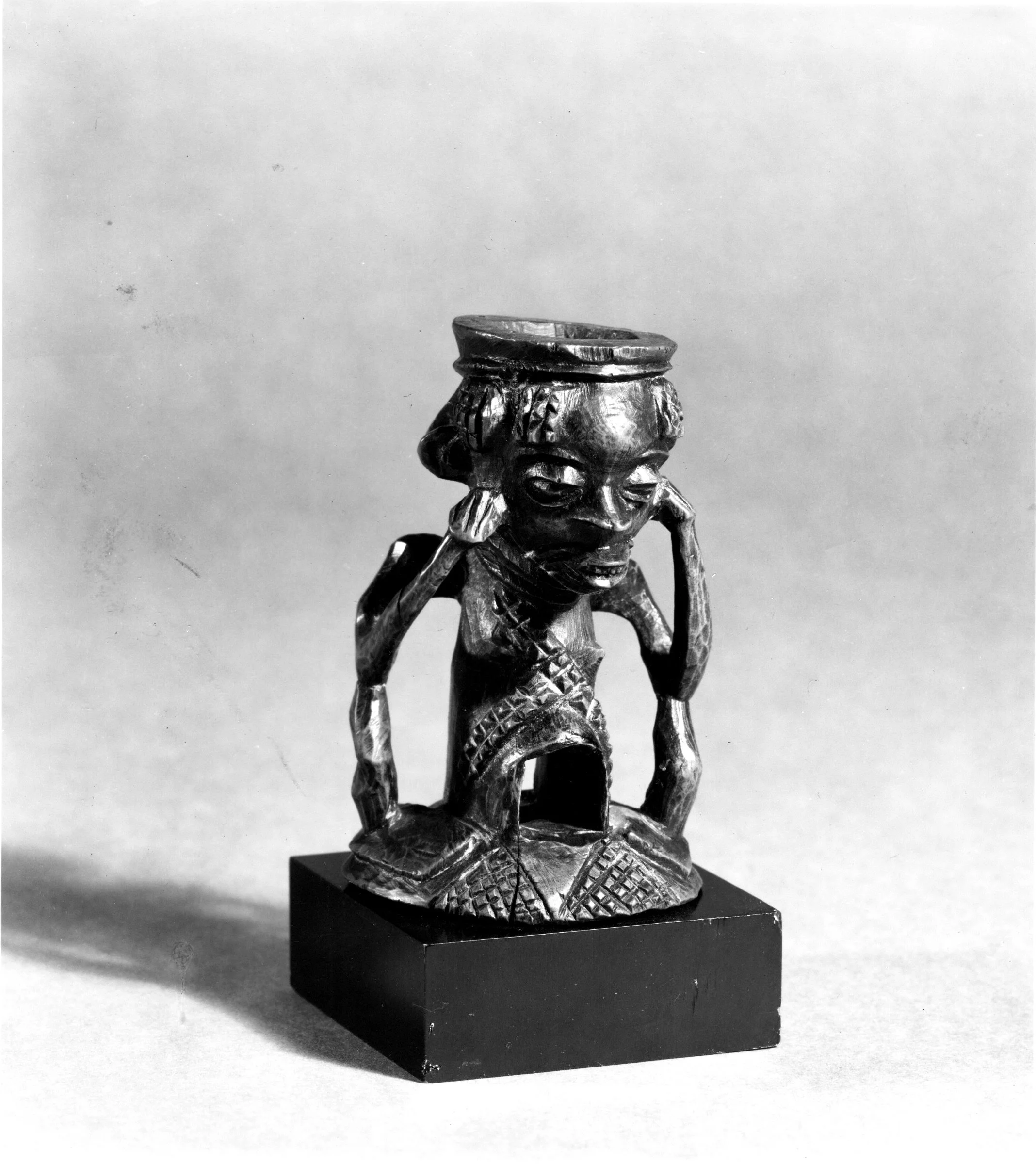
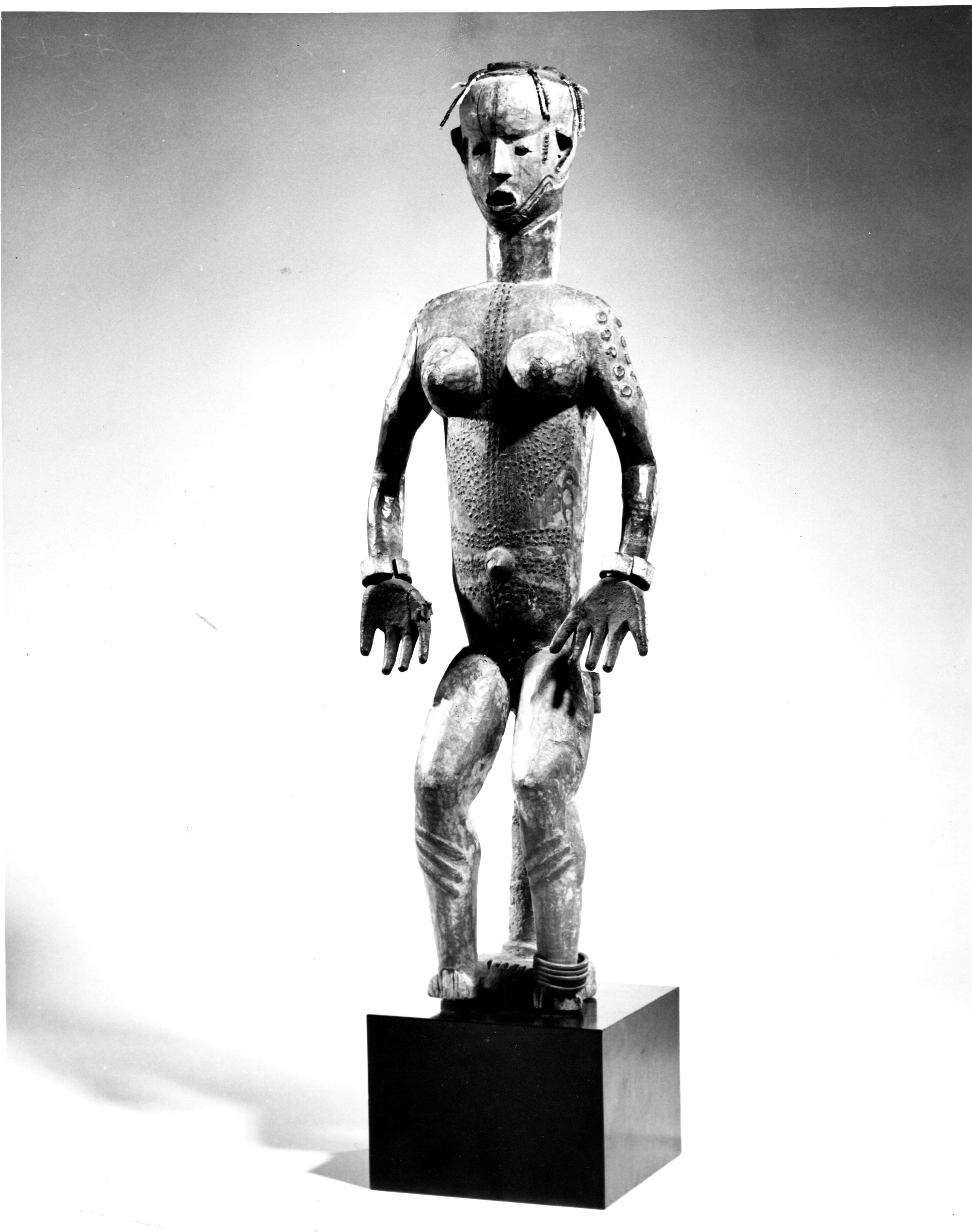
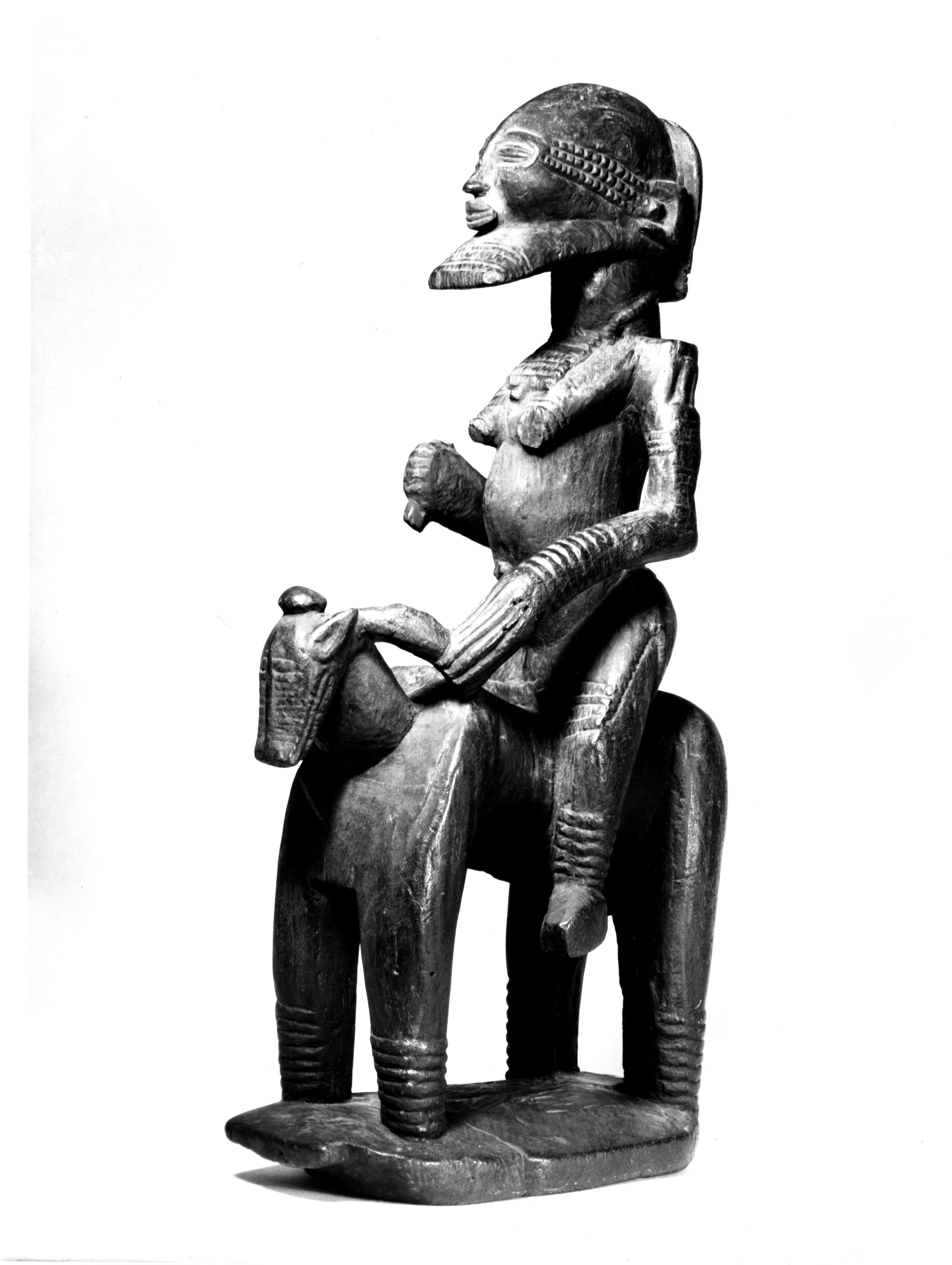
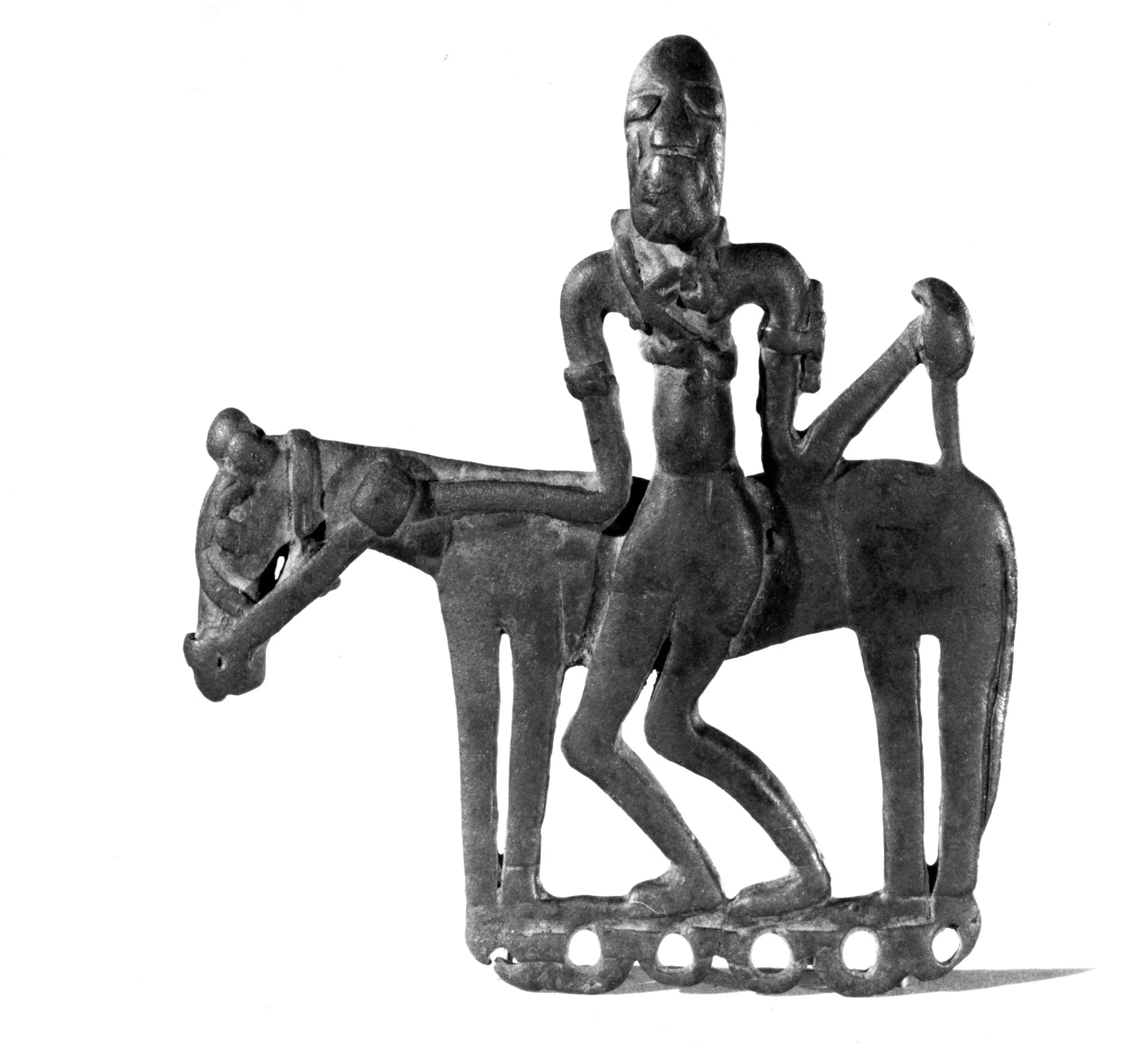
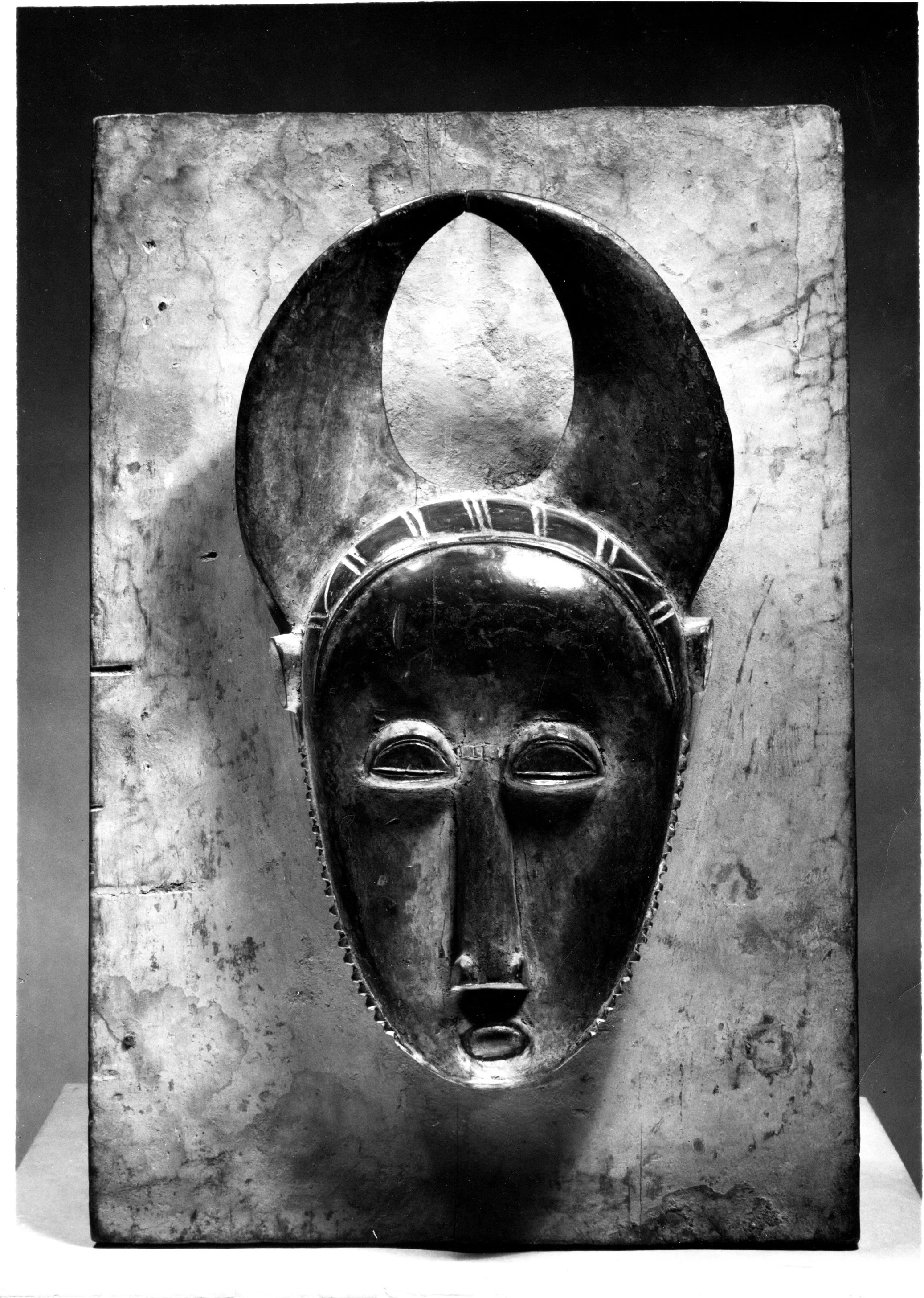
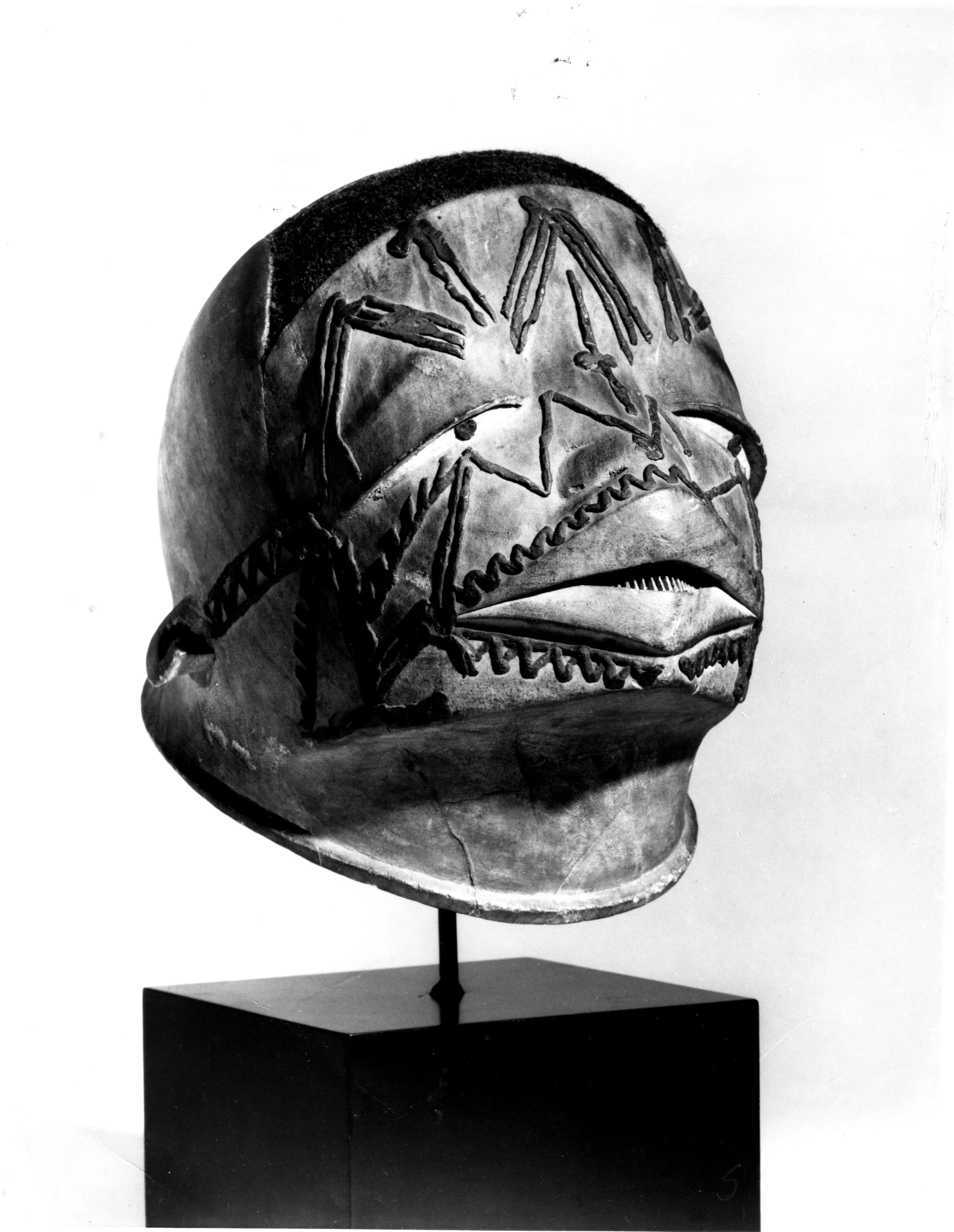
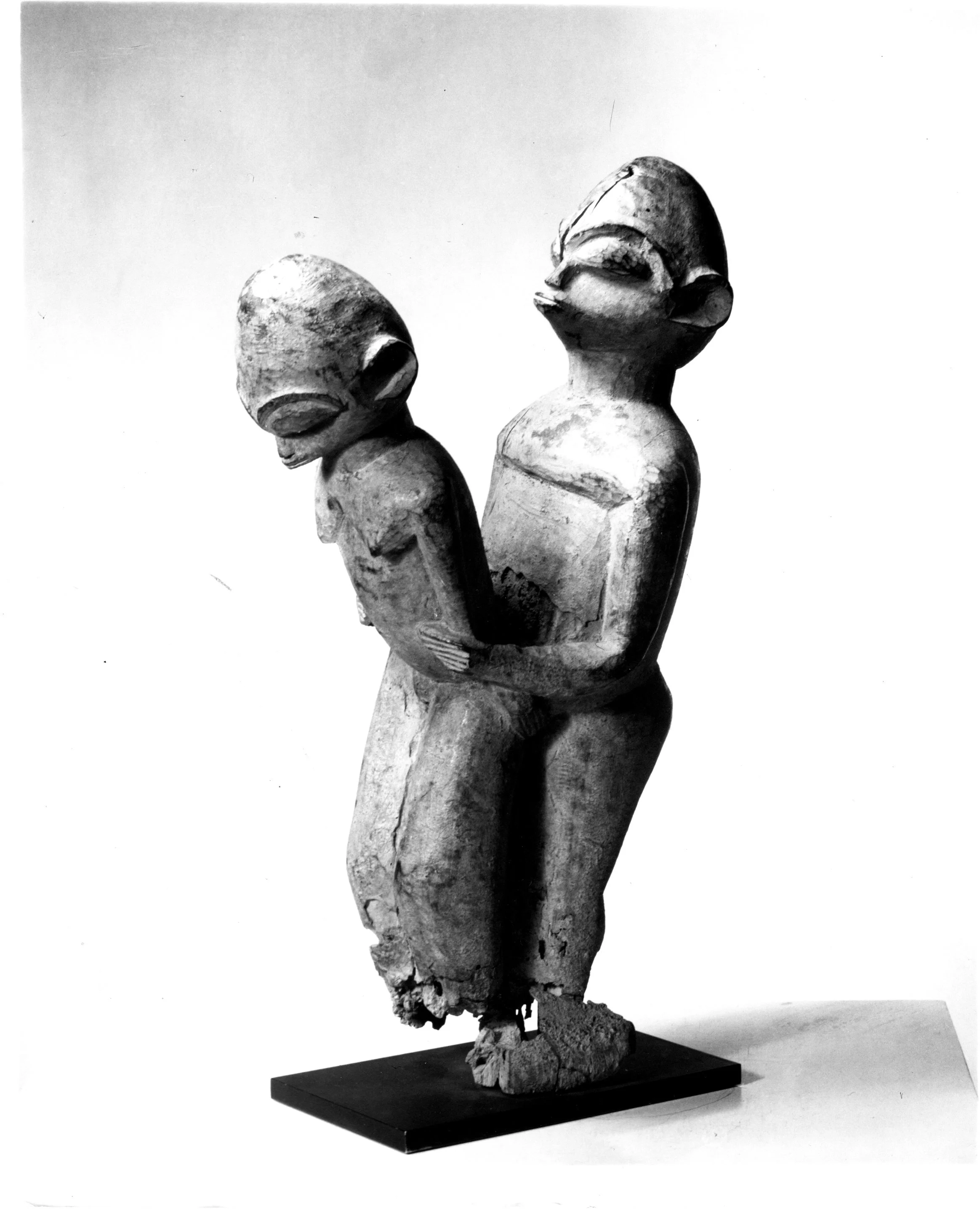
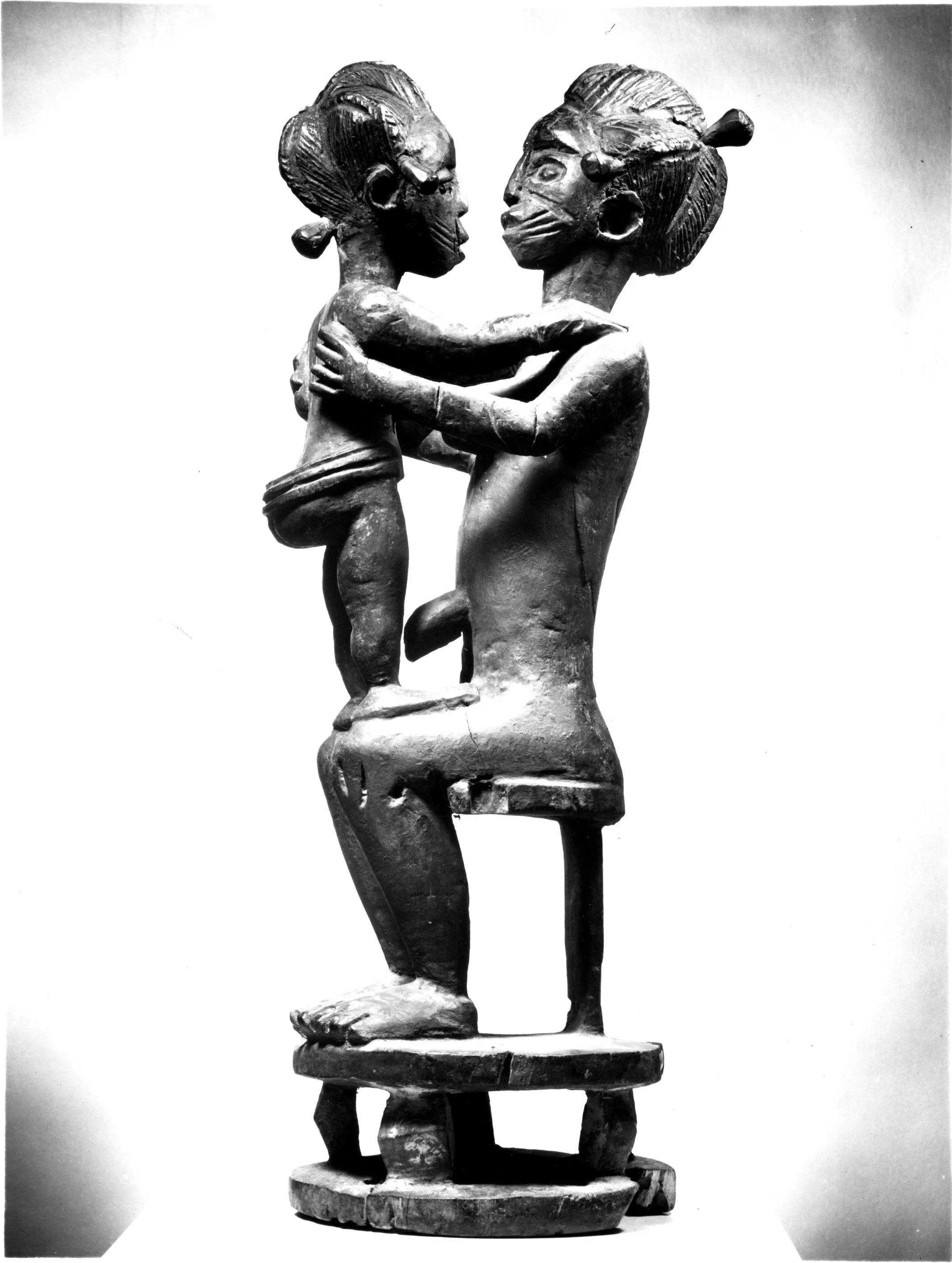
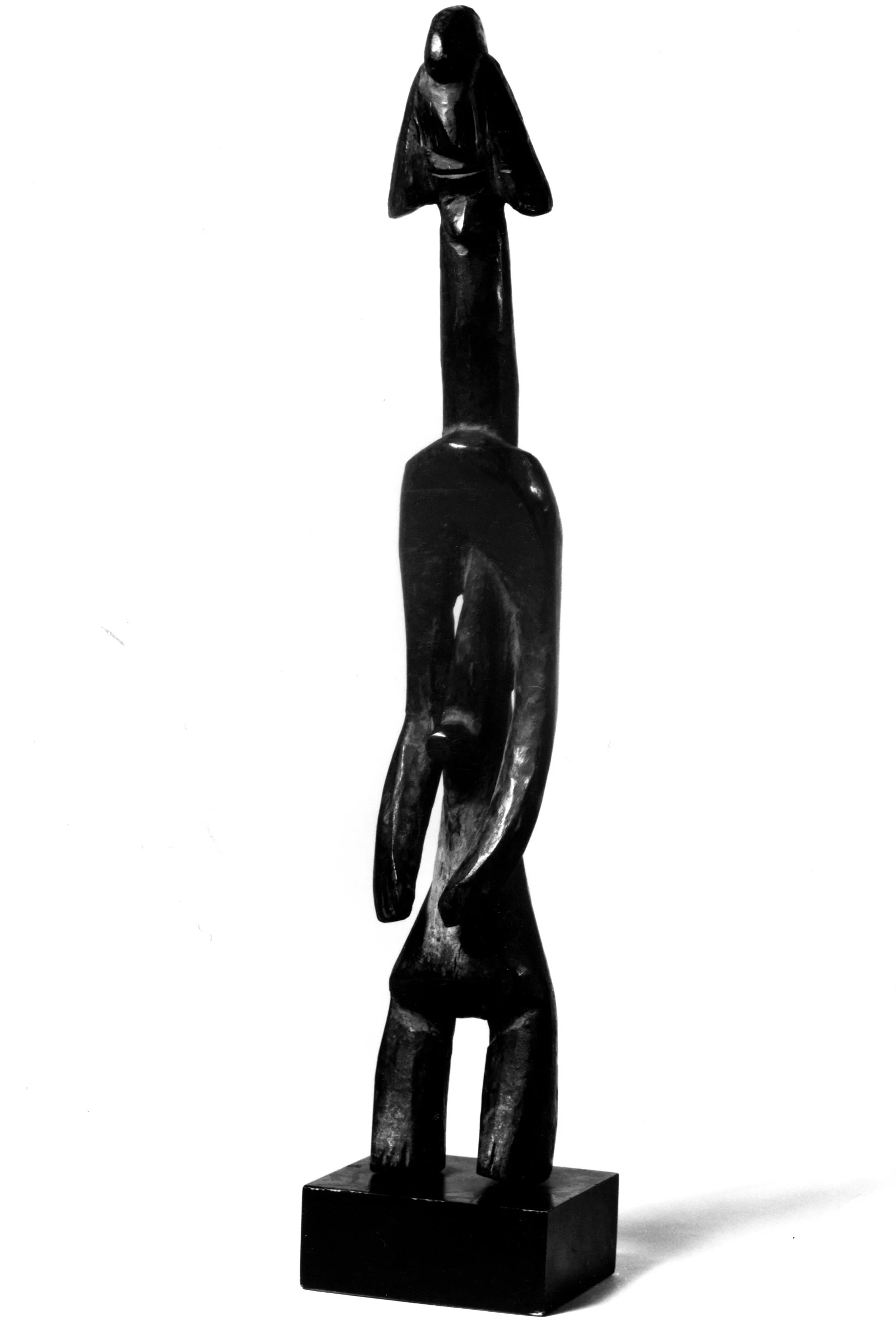
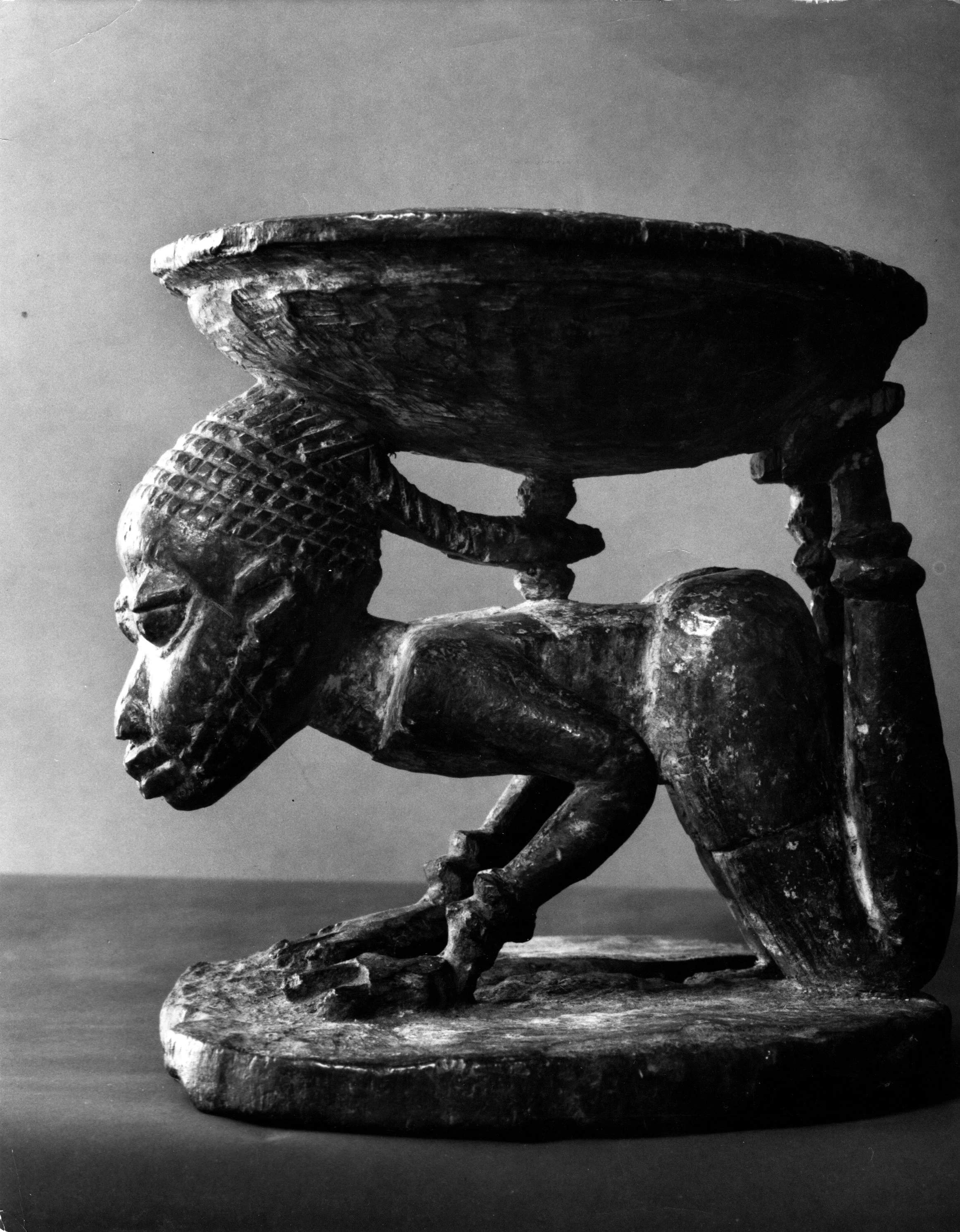
This portal on Salt Mine Projects seeks to celebrate my parents activities and acquisitions first at Galerie Kamer and later, when my father worked independently out of a majestic home across the street from the Museum of Natural History on the Upper West Side. My hope is that the photographs chosen from a stock pile of their past inventory, is an incomplete but nonetheless reverential acknowledgment and commemoration of their extraordinary eye and high bar of aesthetics. As a couple, their ability to identify the ephemeral magic of individual sculptural brilliance within a specific tribal canon was legendary. The works of art that follow are but a small slice of what found their way through their hands and into some of the best private and public collections across the United States and abroad.
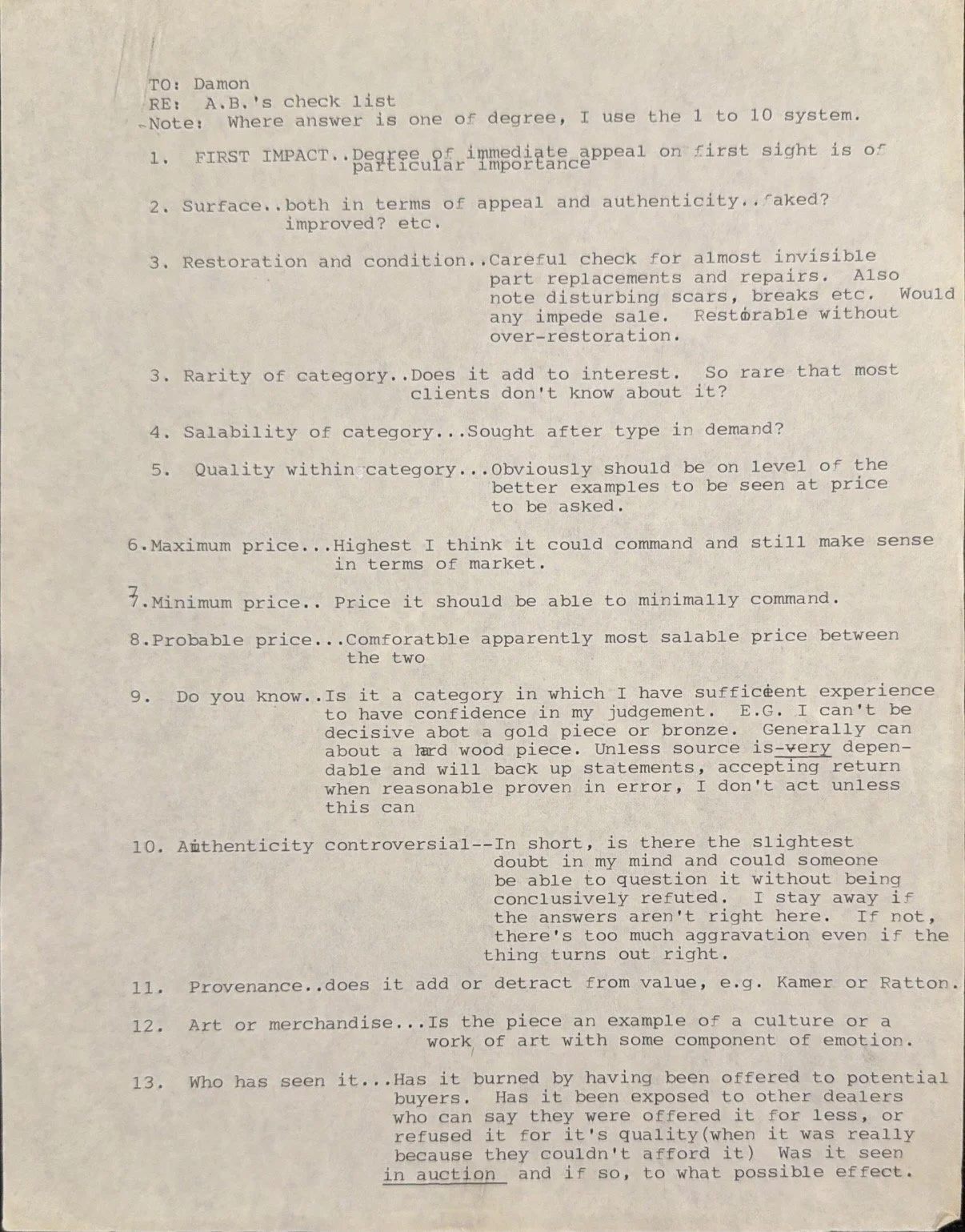
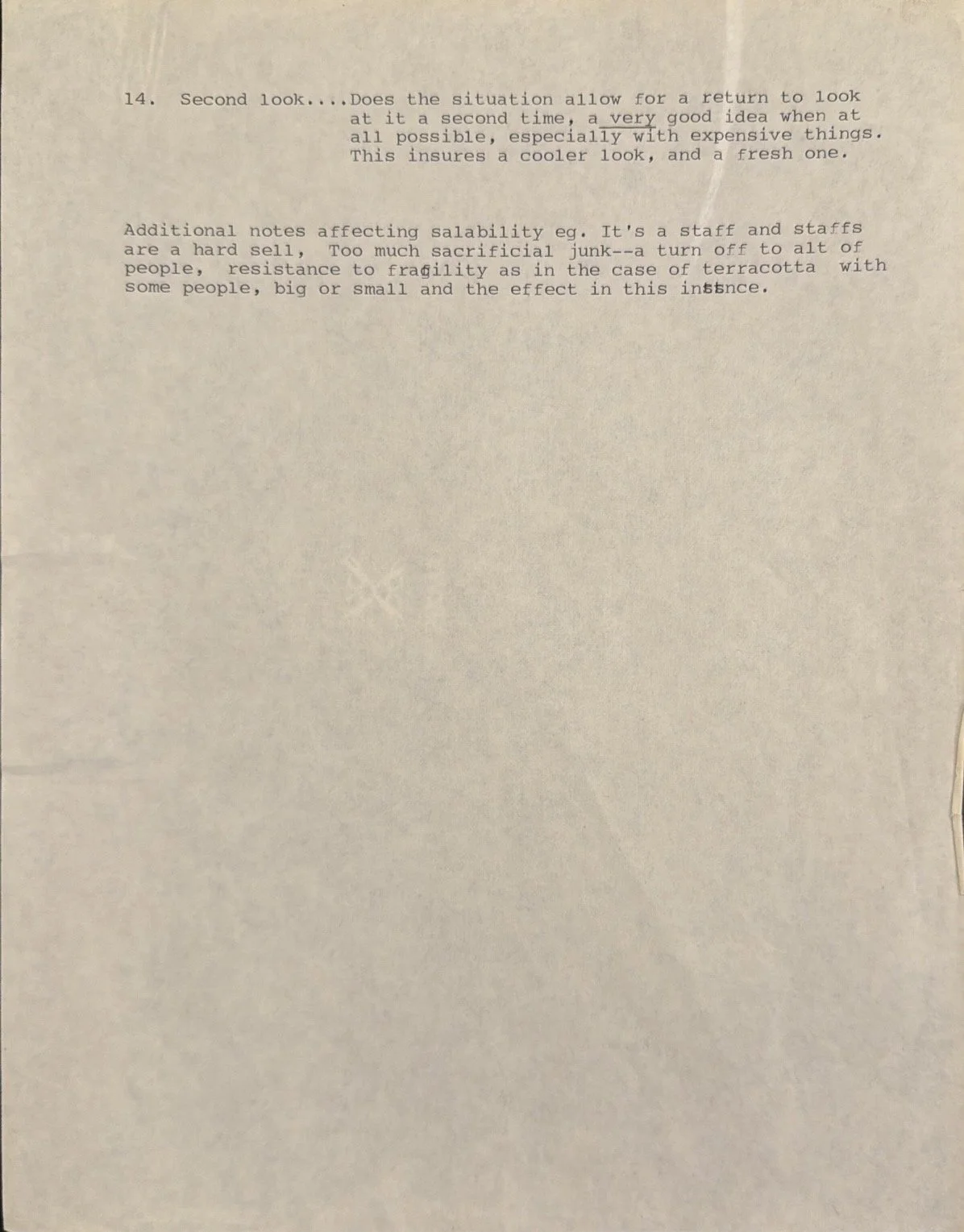
I have also included a document that Alan typed up for me once it was obvious that I was going to join him in the field, even though early on we made a tactical decision that we could work more effectively in parallel than in tandem. The father/son business association has a long history rife with conflict and complexity. Ours was no different. I shall leave it at that but must add that my gratitude for his generosity in sharing his hard won expertise and my admiration for his moral integrity remains intact and long after his death, is a continued source of inspiration and guidance.
The check list that I referred to below was his Magna Carta of due diligence, and something that he reviewed before each purchase. I reproduce it here in its original version hand-typed on onion paper and would encourage any serious amateur to consider it as a useful template in the quest to avoid some common and less apparent errors in judgment. Mistakes will still be made because that is the nature of the beast of our business, but I have used the list often during my own 40 year career and it has served me well.
This portal is dedicated to my parents who taught me how to look at art with curiosity, deep appreciation and an enthusiasm in a never-ending quest to find the beauty in the things that ultimately bind us all.